Top Benefits of Wet Cat Food for Your Feline Friend
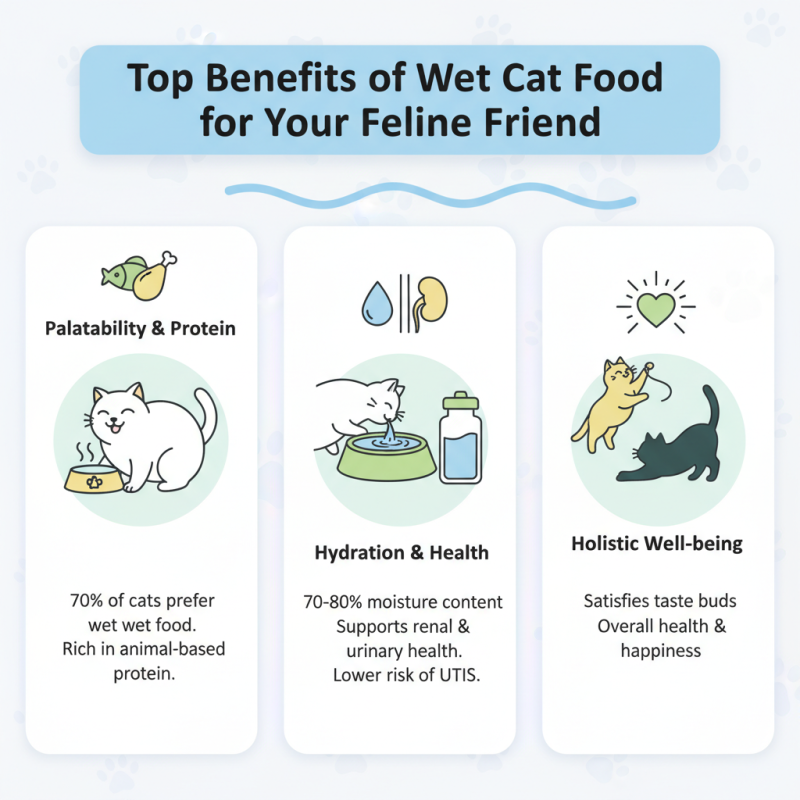
The dietary needs of our feline companions have garnered significant attention, particularly in recent years as pet owners become increasingly aware of the nutritional value offered by various types of food. Among these options, Wet Cat Food stands out as a preferred choice for many cat owners due to its numerous health benefits. According to industry studies, approximately 70% of cat owners report that their pets show a preference for wet food over dry alternatives, mainly due to its palatability and moisture content. Cats are obligate carnivores, meaning they require a diet rich in animal-based proteins, which are often more abundant in wet formulations.
Moreover, veterinary nutritionists emphasize the importance of hydration in a cat's diet, noting that many felines do not drink enough water on their own. Wet Cat Food, which contains about 70-80% moisture, plays a crucial role in helping to maintain proper hydration levels, ultimately supporting renal and urinary health. Research indicates that cats consuming wet food tend to have lower risks of urinary tract diseases, which can be linked to dehydration and concentrated urine. As we delve deeper into the myriad advantages of incorporating Wet Cat Food into your cat's diet, it becomes clear that this choice is not only about satisfying their taste buds but also embracing a holistic approach to their overall health and well-being.
Benefits of Hydration: Why Wet Cat Food is Essential for Cats
Hydration is a critical aspect of feline health, and wet cat food plays a significant role in ensuring that cats stay well-hydrated. Unlike dry kibble, wet cat food contains a higher moisture content, often around 70-80%, which helps promote optimal hydration levels in cats. This is especially important as many cats are prone to urinary tract issues and kidney problems, both of which can be exacerbated by dehydration. Feeding wet cat food can effectively contribute to a cat’s daily water intake, helping maintain their overall health and vitality.
Incorporating wet cat food into your feline friend's diet can offer several additional benefits beyond hydration. The palatability of wet food often makes it more appealing, enticing picky eaters and encouraging them to consume adequate nutrition. Furthermore, wet food can also play a role in weight management, as the moisture content can assist in creating a feeling of fullness without the extra calories found in some dry foods. Transitioning your cat to wet food may improve their energy levels and active demeanor.
Tips for introducing wet cat food: Start by mixing small amounts of wet food with their current dry food to make the transition easier. Gradually increasing the wet food ratio over time can help cats adjust to the new texture and flavor. Always ensure fresh water is available alongside the wet food to promote hydration and enhance their dietary routine.
Top Benefits of Wet Cat Food for Your Feline Friend
This chart illustrates the top benefits of wet cat food for your feline friend, highlighting the importance of hydration, protein content, palatability, digestive health, and weight management. Each benefit is represented in terms of effectiveness, measured on a scale from 0 to 100%.
Nutritional Value: Key Ingredients Found in Wet Cat Food
Wet cat food offers numerous nutritional benefits that cater to the unique dietary needs of felines. One of the key advantages of wet cat food is its high moisture content, which can be particularly beneficial for cats that are prone to urinary tract issues or kidney disease. According to a study published in the Journal of Feline Medicine and Surgery, increased moisture intake helps dilute urine, reducing the risk of forming crystals and stones, which are common health problems in cats.
In terms of nutritional value, wet cat food is typically rich in high-quality protein, essential for muscle maintenance and energy. Ingredients such as real meat, fish, and poultry provide not only necessary amino acids but also vital fatty acids which contribute to a healthy coat and skin. Additionally, many wet cat food formulations contain added vitamins and minerals, promoting overall health and well-being. The Association of American Feed Control Officials (AAFCO) emphasizes that a well-balanced wet food can meet all the dietary requirements for common life stages of cats.
Tip: When selecting wet cat food, always check for labels indicating high protein content and minimal fillers. A good guideline is to look for products where protein sources are among the first ingredients listed. This ensures your cat is getting the maximum nutritional benefit from their meals.
Tip: Gradually introduce wet food into your cat’s diet to avoid digestive upset. Mixing it with dry food can help ease the transition while providing the benefits of both formulations.
Top Benefits of Wet Cat Food for Your Feline Friend
| Nutritional Value |
Key Ingredients |
Benefits |
| High moisture content (75-80%) |
Chicken / Turkey |
Supports hydration |
| Protein-rich (30-40% per can) |
Fish (Salmon / Tuna) |
Promotes muscle health |
| Low carbohydrate levels (5-10%) |
Liver |
Regulates blood sugar |
| Vitamins (A, E, B-complex) |
Vegetables (Carrots / Peas) |
Enhances immune system |
| Added minerals (Calcium, Phosphorus) |
Whole grains (Rice) |
Strengthens bones and teeth |
Palatability and Taste: How Wet Food Appeals to Feline Preferences
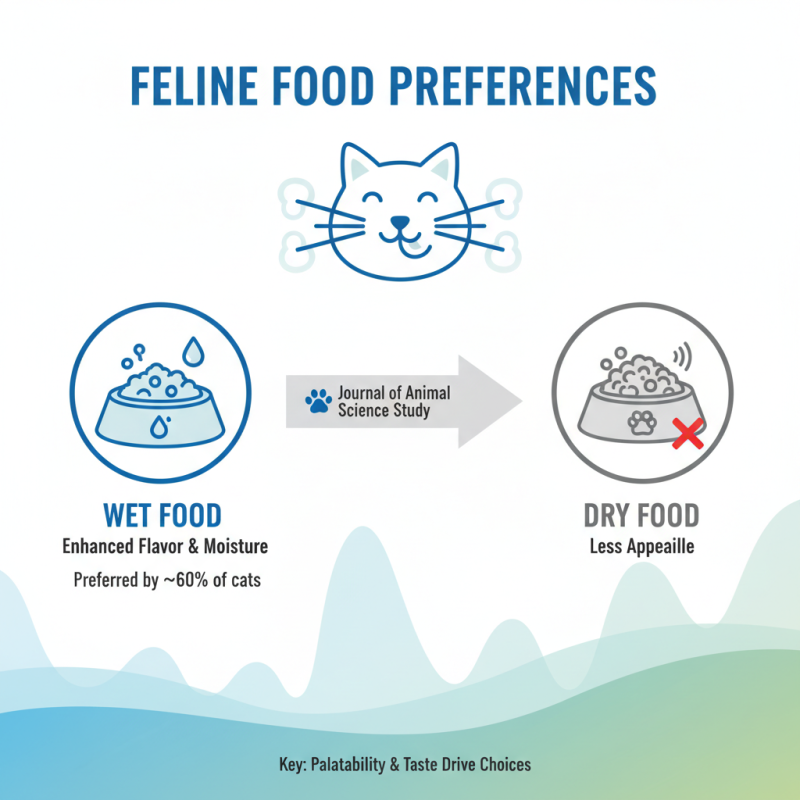
When it comes to feeding our feline friends, palatability and taste play crucial roles in their dietary preferences. Research indicates that many cats prefer wet food over dry alternatives due to the enhanced flavor and moisture content. A study published in the Journal of Animal Science found that approximately 60% of cats showed a preference for wet food, highlighting its appeal in stimulating their unique taste buds. The rich and savory flavors in wet cat food can entice even the pickiest eaters, making mealtime a more enjoyable experience.
Additionally, the aroma of wet cat food significantly contributes to its palatability. Cats possess a highly developed sense of smell, which is essential for their feeding habits. According to a survey conducted by the American Association of Feed Control Officials (AAFCO), cats are more likely to respond positively to foods with strong scents, prevalent in wet formulations. This aromatic appeal can lead to increased food intake, which is especially beneficial for cats that may require higher caloric consumption due to growth, activity level, or health conditions. Overall, the palatability and enticing flavors of wet cat food not only satisfy feline preferences but also promote a healthier eating routine.
Digestive Health: The Role of Wet Food in Supporting Cat Digestion
Wet cat food plays a significant role in supporting the digestive health of your feline friend. One of the key benefits of wet food is its high moisture content, which can help prevent dehydration—a common concern for cats who may not drink enough water on their own. Proper hydration is essential for maintaining optimal kidney function and ensuring that the digestive system operates smoothly. When fed a diet rich in moisture, cats are better equipped to break down food and absorb nutrients effectively, leading to improved overall health.
Additionally, wet food is often easier for cats to digest compared to dry kibble. The softer texture can be particularly beneficial for older cats or those with dental issues, ensuring they can consume their meals without discomfort. Furthermore, many wet cat foods contain high-quality protein sources that are more palatable and nutritionally suitable for felines. These proteins are crucial for maintaining a healthy digestive tract, as they support the growth of good bacteria that aid in digestion and promote a balanced gut environment. By incorporating wet cat food into your pet’s diet, you can enhance their digestive health and overall well-being.
Weight Management: How Wet Food Affects a Cat's Overall Health
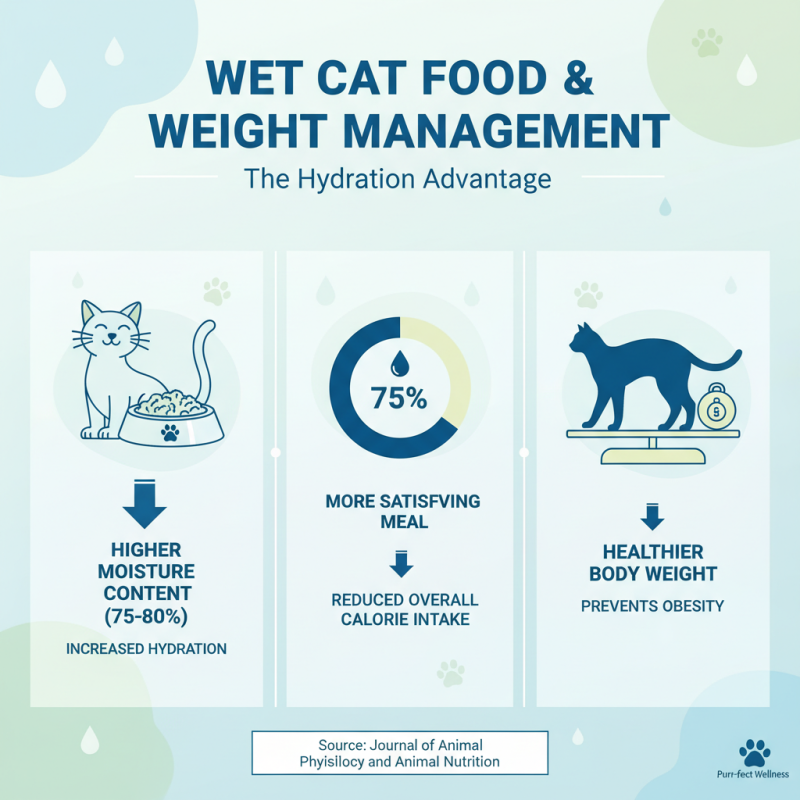
Wet cat food has gained popularity among cat owners, especially concerning weight management. Studies indicate that cats fed wet food tend to have healthier body weights compared to those on dry food diets. This is attributed to the higher moisture content in wet food, which can account for approximately 75-80% of its composition. According to the Journal of Animal Physiology and Animal Nutrition, increasing hydration from wet food can help prevent obesity, providing a more satisfying meal while reducing overall calorie intake.
Moreover, the protein-rich composition of wet cat food supports muscle development and maintenance, which is crucial for a cat's metabolic health. Research from the Universities Federation for Animal Welfare highlights that the amino acid profiles in wet food can enhance satiety, leading to lower calorie consumption and improved weight management. Regular consumption of wet food has also been linked to a decreased risk of diabetes and other weight-related health issues, creating a holistic approach to feline nutrition that supports long-term well-being.