2026 Best Canned Cat Food Options for Healthy Cats?
When it comes to keeping our feline friends healthy, Canned Cat Food plays a vital role. Cats are obligate carnivores, meaning they thrive on meat-based diets. The right canned cat food can provide essential nutrients and hydration that dry food may lack.
Choosing the best options for your cat can be overwhelming. With countless brands available, it's essential to consider ingredients, nutritional balance, and your cat's preferences. Not all canned cat food is created equal, and sometimes what seems ideal may not suit every cat's needs. It's crucial to think about your cat's specific dietary requirements and preferences.
Some cats might enjoy certain flavors while rejecting others. It's a challenge many pet owners face. Ultimately, we must remain attentive to our cats’ reactions. Selecting high-quality, healthy canned cat food requires continual reflection and adjustment. Cats deserve the best, and understanding their needs is the key to a happy, healthy life.
Evaluating Nutritional Requirements for Cats in Canned Food
When choosing canned cat food, it's vital to evaluate the nutritional needs of cats. Cats are obligate carnivores. They need animal-based proteins for optimal health. According to the
Association of American Feed Control Officials (AAFCO), a cat’s diet should consist of at least 26% protein. This level is essential for maintaining muscle mass and energy.
Additionally, fats are crucial. Cats require a minimum of 9% fat in their diets. Fats provide vital fatty acids like omega-3 and omega-6, essential for skin and coat health. A study published in the
Journal of Animal Science found that diets high in moisture, like canned food, can support urinary tract health. Moisture content is particularly important, as it helps prevent urinary crystals and blockages.
Moreover, not all canned foods meet these nutritional standards. Some formulations may lack essential vitamins or minerals, leading to deficiencies. It's crucial to read labels carefully. A higher price tag doesn't always indicate superior quality. It can take time to find the right balance of nutrients for a cat's individual needs. Regular veterinary check-ups can help monitor health and dietary adjustments. Identifying these needs can promote a long, healthy life for a beloved pet.
Key Ingredients in High-Quality Canned Cat Food: A Comprehensive Review
When choosing canned cat food, the ingredients play a crucial role in your cat's health. High-quality canned cat food often features real meat as the first ingredient. Proteins like chicken, fish, and turkey are essential. Reports indicate that diets rich in animal proteins support muscle health and provide essential amino acids.
Fats are also vital. Healthy fats, such as those from fish oil, promote a shiny coat and help with brain function. Fiber from vegetables aids digestion, keeping your feline's gut healthy. Look for foods with a balance of proteins, fats, and fibers for optimal nourishment.
Tip: Check the ingredient list. The first few ingredients should be animal-based. Avoid foods with excessive fillers like corn and soy.
Consult with a vet about specific dietary needs. Not all cats require the same nutrients. Allergies can also complicate choices. It’s essential to know what works for your cat.
Tip: Monitor your cat’s health. Any changes in behavior or coat condition may signal dietary issues. Adjust meals based on your cat’s reactions.
Understanding Grain-Free vs. Grain-Inclusive Canned Cat Foods
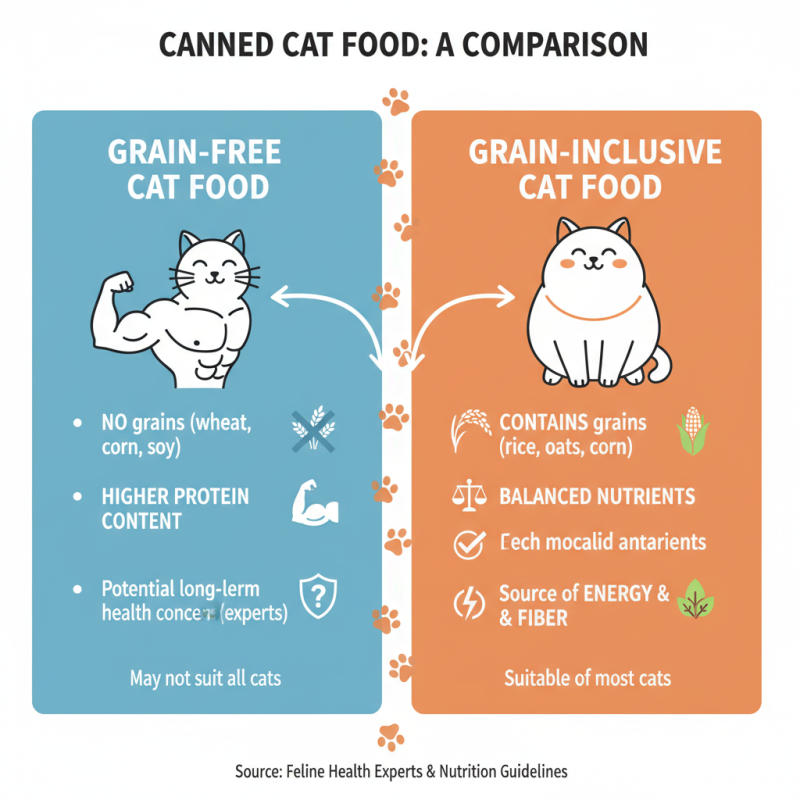
When choosing canned cat food, the choice between grain-free and grain-inclusive diets can be pivotal. Grain-free options contain no grains like wheat or corn. They often feature a higher protein content, which can appeal to many cats. However, some health experts express concerns about the long-term impacts of grain-free diets. Not all cats thrive on this type of food.
On the other hand, grain-inclusive canned cat foods can offer balanced nutrition. Grains like brown rice or oats can be easy for cats to digest. Some pet owners have reported that their cats maintain a healthier weight with these diets. However, it’s important to monitor your cat’s reactions. Every cat is unique, and what works for one may not work for another.
**Tips:** Always consult your vet before changing your cat's diet. Gradually introduce new foods. Watch for signs of allergies or digestive issues. This way, you can ensure your cat’s health remains a priority. Don’t skip the label reading! Look for quality ingredients with real meat as the first component.
Top Brands of Canned Cat Food in 2026 Backed by Veterinary Research
Choosing the right canned cat food is crucial for your feline's health. In 2026, many brands stand out, supported by veterinary research. These options often include high-quality proteins and essential nutrients. Cats are obligate carnivores. They thrive on animal-based diets, making protein a key ingredient.
One popular choice is grain-free food. This option may help reduce allergic reactions in some cats. However, not every cat needs this. Some felines flourish with a balanced grain-inclusive diet. It’s important to observe your pet's reactions. Monitor any signs of allergies or digestive issues closely.
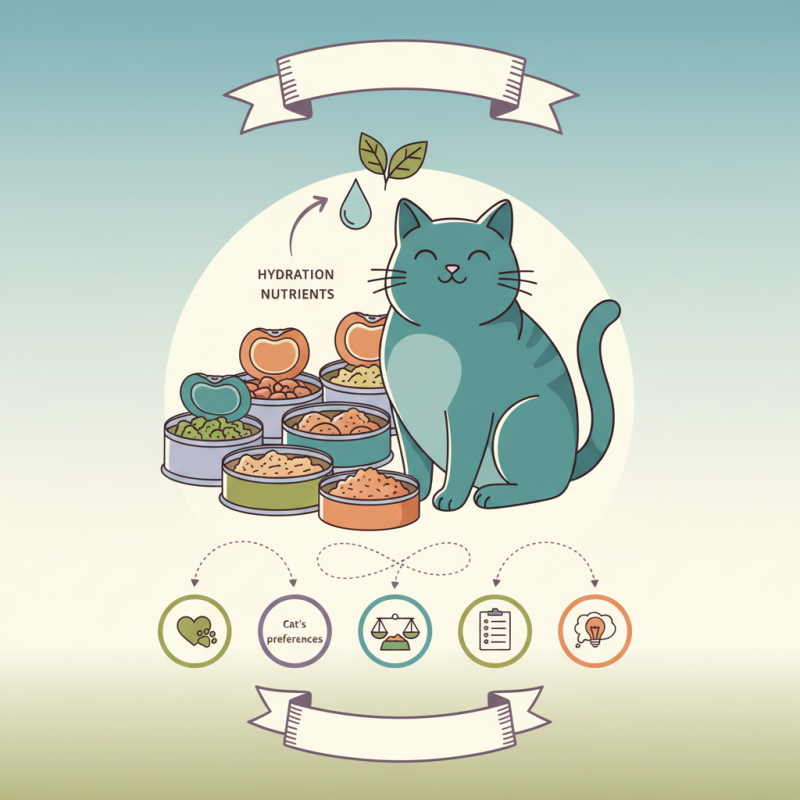
Hydration is another aspect to consider. Canned food typically has higher moisture content. This can boost your cat’s overall hydration levels. However, not all cats like wet food. It might take some time to find their preference. Experiment with different textures and flavors. Pay attention to their eating habits and adjust accordingly.
Consumer Insights: Cat Owner Satisfaction and Food Choice Trends
Cat owners face many challenges in choosing the right food. Recent surveys reveal fascinating trends in food choice. Many owners prioritize health and nutrition but struggle with conflicting information. It’s crucial to recognize individual cat needs. Cats with specific dietary concerns require tailored options.
Consumer satisfaction plays a significant role in buying decisions. Analyzing online reviews can provide insights. Owners often express their love through their pet’s food choices. Yet, not all products meet expectations. Some packages look appealing but lack real substance. This can lead to regret.
Trends show a shift toward quality ingredients. However, many cat owners still rely on familiar brands. This creates a paradox: loyalty versus exploration. Some may feel guilty for not trying new options. Others express frustration over high prices for premium choices. It's a complex landscape that requires thoughtful consideration.