Best Canned Dog Food Options for Your Pet's Health?
When considering the health of our pets, the choice of food is crucial. Many dog owners are turning to Canned Dog Food for a variety of reasons. Renowned veterinarian Dr. Lisa Weeth emphasizes, "Canned Dog Food can provide essential moisture and nutrients that dry food may lack." This highlights the importance of examining our options.
Canned Dog Food offers a palatable solution for picky eaters. Its texture and aroma often attract dogs who would otherwise ignore dry kibble. However, not all canned options are created equal. Some brands contain fillers and artificial ingredients, which can harm overall health. Checking labels is essential before making a purchase.
Moreover, the convenience of Canned Dog Food can sometimes lead to over-reliance. While it’s easy to open a can, pet owners must ensure balanced nutrition. Thinking critically about choices can prevent the negative impacts of a poor diet. Ultimately, being informed fosters better health for our furry friends.
Understanding the Nutritional Needs of Dogs
Understanding the nutritional needs of dogs is crucial for their overall health. Dogs require a balance of proteins, fats, carbohydrates, vitamins, and minerals. According to the Association of American Feed Control Officials (AAFCO), protein should comprise at least 18% of adult dogs' diets, while puppies require around 22%. These figures highlight the importance of protein-rich ingredients for growth and maintenance.
Fats also play a vital role in a dog’s diet. They provide energy and support cell function. The National Research Council (NRC) suggests that fats should make up about 5-20% of a dog's diet. It’s essential, however, to choose the right type of fat. Omega-3 and Omega-6 fatty acids enhance skin and coat health and promote overall well-being.
Many pet owners struggle to find a balanced diet for their dogs. Canned dog food can be a convenient option, but not all products meet nutritional guidelines. Some contain fillers or artificial additives that can be harmful over time. Pet owners should be cautious and read the nutritional labels carefully. Looking for options with high protein content and wholesome ingredients can ensure better health outcomes for their pets. Remember, what you feed your dog directly impacts their long-term health.
Types of Canned Dog Food Available in the Market
When choosing canned dog food, it’s essential to understand the different types available. There are various formulations on the market, targeting specific dietary needs. Some options are high in protein, while others focus on a balanced nutrition approach. These products can contain meats, fish, or even vegetables as their primary ingredients.
Wet food is a popular category. It's typically more palatable for dogs than dry kibble. Many pets love the enhanced flavors and textures. However, not all wet foods provide the same nutritional value. Some might contain fillers or low-quality ingredients, which can be misleading.
Grain-free options are also available. These are crafted for pets with sensitivities to grains. Yet, they may not always be the best choice for all dogs. Owners should research ingredients carefully. Canned food can be convenient, but some formulations may lack essential nutrients. It's crucial to read labels and make informed decisions for your pet's health.
Best Canned Dog Food Options for Your Pet's Health
This chart represents the nutritional content of the best canned dog food options available in the market, highlighting the importance of various components for your pet's health.
Key Ingredients to Look for in Quality Canned Dog Food
When selecting canned dog food, the ingredients play a crucial role. Look for high-quality proteins such as chicken, beef, or fish at the top of the list. These are essential for your dog's muscle development and overall health. Additionally, whole grains or vegetables should follow. They provide necessary fiber. Fiber is important for digestion.
Avoid canned foods with artificial flavors or preservatives. These can be harmful over time. Instead, opt for natural ingredients. They may have a shorter shelf life but contribute to better health. A good can should also include omega fatty acids. These are important for coat health and skin condition.
Water content is also key. Canned food has higher moisture, which helps keep your dog hydrated. However, check for the right balance. Some cans may contain too much water and lack real nutrition. It’s worth reflecting on the nutritional needs of your pet. Every dog is different. What works for one may not suit another. Always consult with a vet to ensure your furry friend is consuming the best diet.
Evaluating Brand Reputation and Product Safety
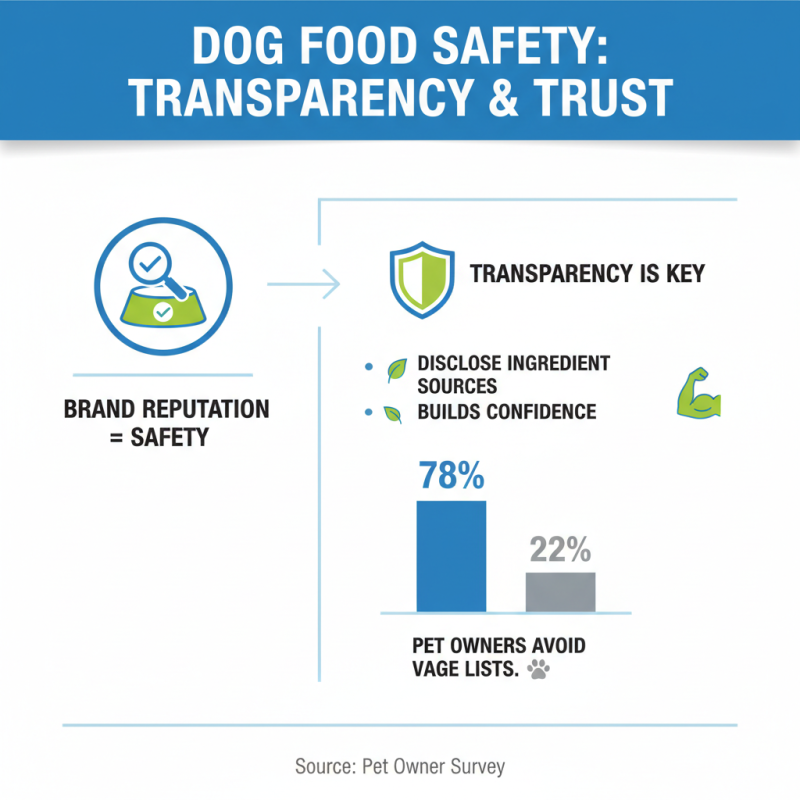
When evaluating dog food, brand reputation significantly impacts product safety. Research shows that transparency is key. Brands that disclose ingredient sources tend to rank higher in safety and trust. A survey revealed that 78% of pet owners avoid brands with vague ingredient lists. This transparency builds confidence.
Reports indicate that recalls happen frequently within the canned dog food industry. In the last five years, there have been over 50 recalls due to safety concerns. This raises questions about quality control practices. Consumers should scrutinize recent recall incidents. It’s crucial to consider how quickly a brand acts on safety issues.
Additionally, checking for certifications can provide assurance. Brands that meet AAFCO standards tend to prioritize safety and nutrition. However, not all brands voluntarily share this information. Sometimes, consumers must dig deeper. It’s important to reflect on the values that drive a brand's practices. Being informed helps pet owners choose better options.
Tips for Transitioning Your Dog to Canned Food
Transitioning your dog to canned food can be a challenge. Dogs can be particular about their meals, so patience is key. Start by mixing a small amount of canned food with their regular kibble. This way, they can gradually get used to the new texture and flavor. Aim for a ratio of about 20% canned food to 80% dry food at first.
Observe your dog’s reaction. Some might dive right in, while others may sniff and walk away. If your dog seems hesitant, try warming the canned food slightly. The warmth can enhance the aroma, making it more appealing. Keep in mind that some dogs might not adjust quickly. It’s okay to take your time.
Gradually increase the amount of canned food over a week or two. You might face resistance at some point. This could be an opportunity to reflect on their preferences. Every dog is different. If your dog continues to refuse the canned food, consider consulting a vet. They can provide guidance tailored to your dog's needs. Transitioning doesn’t have to be perfect—it’s about finding what works for you and your pet.
Best Canned Dog Food Options for Your Pet's Health
| Canned Food Type |
Main Ingredients |
Nutritional Benefits |
Recommended For |
| Chicken & Rice |
Chicken, Brown Rice, Peas |
High protein, Digestive support |
Active dogs, All life stages |
| Beef Stew |
Beef, Carrots, Potatoes |
Rich in iron, Supports muscle health |
Adult dogs, Larger breeds |
| Turkey & Vegetable |
Turkey, Carrots, Spinach |
Low fat, Rich in antioxidants |
Weight management, Senior dogs |
| Lamb & Rice |
Lamb, Brown Rice, Barley |
Hypoallergenic, Great for sensitive digestion |
Dogs with food sensitivities |