Best Cat Food Options for Healthy Feline Diets Guide?
When it comes to your cat's health, choosing the right cat food is crucial. The variety of options available can be overwhelming. Understanding what makes a quality diet can lead you to better choices for your feline friend.
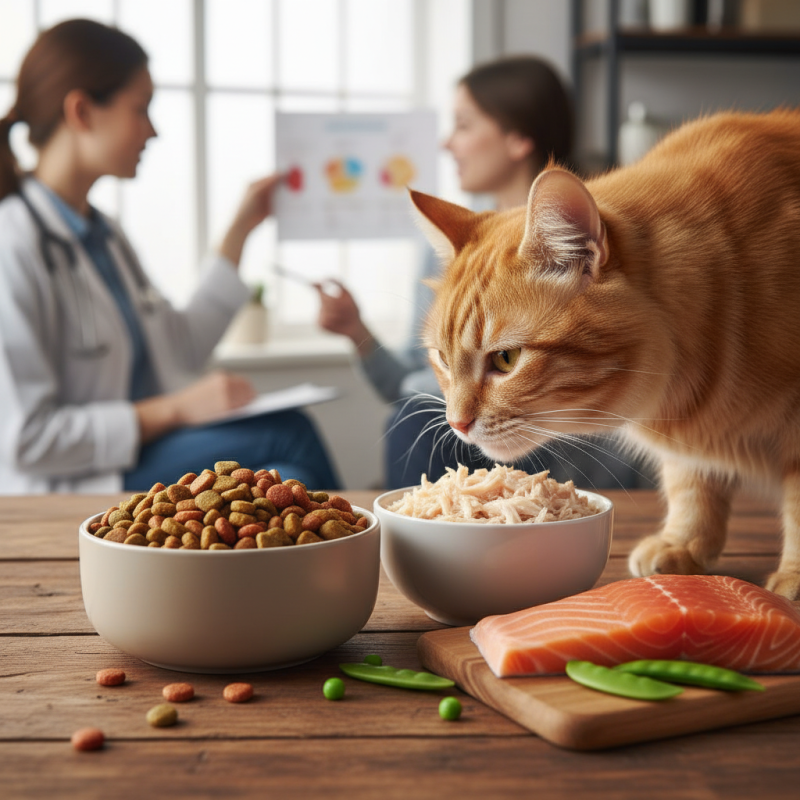
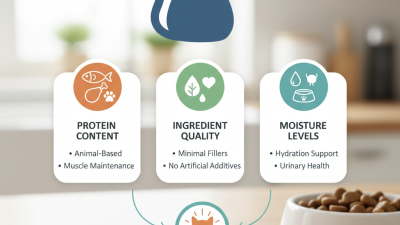
Cats are obligate carnivores, requiring a diet high in protein. Look for cat food with real meat as the first ingredient. Some products may contain fillers or artificial additives that are less beneficial. Paying attention to ingredients can make a significant difference in your cat's well-being.
Healthy cat food can vary by life stage, breed, and health needs. Always consider your cat's specific requirements. Not all cat food is created equal, and some brands may lack essential nutrients. Thus, it’s essential to research and consult with a veterinarian to ensure your cat receives the best diet possible.
Understanding the Nutritional Needs of Cats
Cats have unique nutritional requirements that differ from those of dogs and humans. A balanced feline diet typically includes high-quality protein, fats, vitamins, and minerals. According to the Association of American Feed Control Officials (AAFCO), adult cats need a minimum of 26% protein in their diet. This ensures they maintain muscle mass and overall health.
Understanding the specific needs of your cat can be challenging. It's essential to know their age, weight, and health conditions. Young kittens require about 30-35% protein, while senior cats may need fewer calories but still require adequate protein. Cats are obligate carnivores, meaning their bodies thrive on animal-based nutrients. They also require taurine, an amino acid essential for heart health. Failing to provide adequate taurine can lead to serious health issues.
Tip: Always read labels carefully. Look for the first ingredient to be a source of high-quality protein.
Remember, every cat is unique. Some may have intolerances or allergies. Monitoring their reactions to new foods is crucial. Their coat condition, activity levels, and weight can indicate if their diet is suitable. Adapt as necessary to ensure they receive optimal nutrition.
Tip: Regular vet check-ups can provide personalized dietary advice. A professional can guide you in selecting the best food for your feline friend.
Types of Cat Food: Dry, Wet, and Raw Options
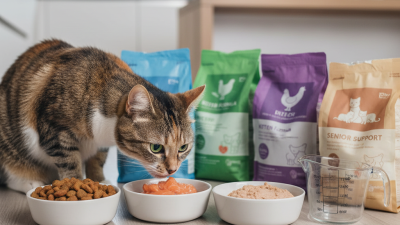
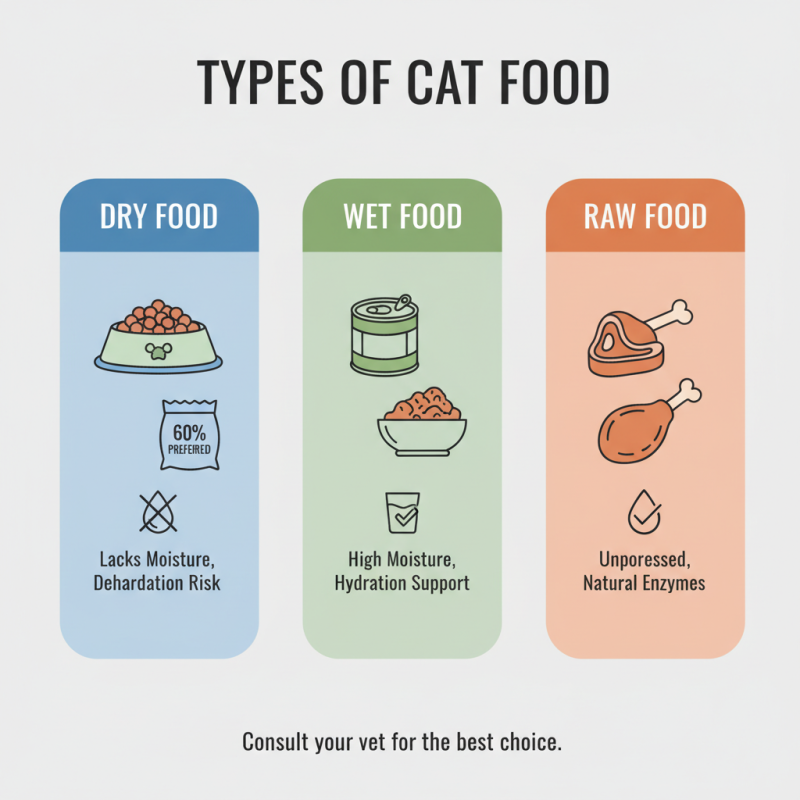
When considering the best food for your cat, it’s essential to understand the different types available: dry, wet, and raw. Each has its own benefits and potential drawbacks. Recent studies indicate that nearly 60% of cat owners prefer dry food for its convenience and shelf stability. However, it lacks sufficient moisture, which can lead to dehydration in cats that might not drink enough water.
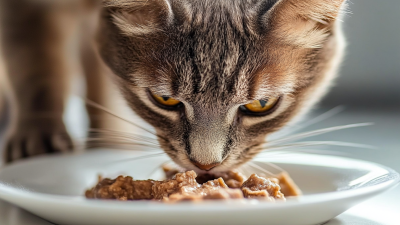
Wet food, on the other hand, provides a high moisture content, which can be beneficial for urinary health. A report by the Pet Food Industry Association noted that 34% of cat owners opt for wet food primarily to enhance hydration. It is often more palatable, encouraging even picky eaters to consume adequate nutrition. Yet, it may come with a higher cost and shorter shelf life once opened.
Raw food diets, while increasingly popular, require extra care. They can offer superior nutritional benefits, but they also pose risks if not handled properly. Research from veterinary nutritionists highlights that a balanced raw diet should consist of muscle meat, organs, and bones to meet a cat's dietary needs. The importance of understanding these options cannot be overstated. Choosing the right food involves reflecting on your cat's specific needs and health concerns.
Essential Ingredients to Look for in Cat Food
When choosing cat food, essential ingredients play a critical role in supporting your cat's health. Cats are obligate carnivores, meaning they need animal-based proteins for optimal nutrition. Look for foods high in real meat, such as chicken or fish, as the first ingredient. A report from the Association of American Feed Control Officials (AAFCO) emphasizes the importance of protein in feline diets, suggesting it should constitute at least 30-40% of their energy intake.
Healthy fats are also crucial. Omega-3 and Omega-6 fatty acids contribute to skin and coat health, as well as cognitive function. If the food lacks these nutrients, it may lead to dull fur and other health issues. Fiber content, sourced from ingredients like beet pulp, supports digestive health. Cats require specific fibers to maintain good gut health.
Tips: Always check for meat meal in the ingredient list. Meat meal is nutrient-dense and often a better source of protein. Also, be wary of fillers. While rice or corn may offer energy, they provide little nutritional value for cats.
Consideration for vitamins and minerals is equally important. Cats need taurine, ariginine, and vitamins A and E for various body functions. Without these, deficiencies can occur, leading to serious health problems. Regular veterinary checks can help assess if your cat's diet meets their nutritional needs.
Best Cat Food Options for Healthy Feline Diets
Common Cat Food Ingredients to Avoid
When selecting cat food, it's crucial to avoid certain ingredients for your feline's health. Many commercial cat foods contain fillers like corn and soy. These ingredients serve as cheap sources of energy but provide little nutritional value. According to the Pet Food Institute, cats require a diet high in protein with minimal carbohydrates. Over time, foods high in fillers can lead to obesity and other health issues in cats.
Moreover, artificial preservatives and colors should be avoided. These additives, such as BHT and ethoxyquin, raise concern due to potential health risks. A study from the Association of American Feed Control Officials found that natural preservatives are not only safer but also effective in preserving freshness. Additionally, animal by-products might appear on labels, making it unclear what’s included. This lack of transparency could lead to subpar nutrition for your pet.
Reading labels is vital. Cat owners should be aware of the AAFCO standards for pet food. The Food and Drug Administration recommends looking for recognizable whole food ingredients. These may include real meat, vegetables, and grains. Poor choices might compromise your cat’s health, fostering diseases rather than nourishing them. Always seek high-quality nutrition to support your pet’s well-being.
Best Cat Food Options for Healthy Feline Diets Guide
| Ingredient |
Benefits |
Ingredients to Avoid |
Reasons to Avoid |
| Chicken |
High protein, essential amino acids |
Corn |
Low nutritional value, potential allergens |
| Fish |
Omega-3 fatty acids, supports skin and coat health |
Soy |
Possible allergen, not easily digestible |
| Brown Rice |
Good source of carbohydrates, fiber |
By-products |
Lower quality protein sources, doesn’t provide adequate nutrition |
| Sweet Potatoes |
Rich in vitamins and antioxidants |
Artificial flavors |
Unnecessary additives, can cause digestive issues |
| Peas |
High in protein and fiber |
Sugar |
Can lead to obesity, dental issues |
Evaluating Cat Food Brands for Quality and Safety
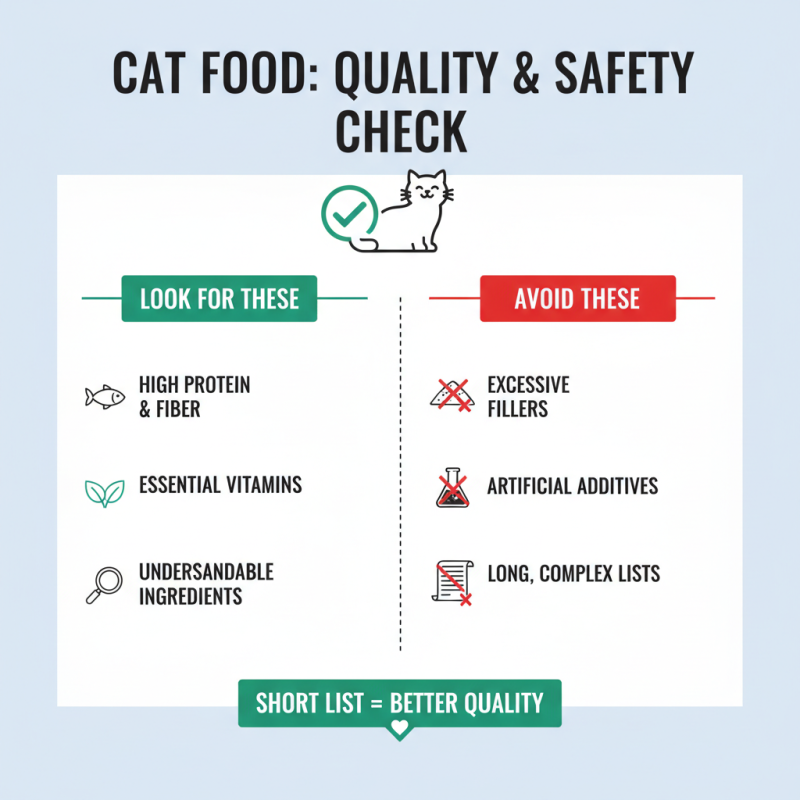
When choosing cat food, quality and safety are paramount. Not all brands offer the same nutritional value. Look for options rich in protein, fiber, and essential vitamins. High-quality sources ensure your cat receives balanced nutrition. The ingredient list should be understandable. Avoid foods heavy in fillers or artificial additives. A shorter ingredient list often indicates quality.
Consider reviews and certification standards when assessing brands. Third-party testing can add confidence to your choice. Look for brands that prioritize transparency. Pay attention to recalls or safety concerns; this indicates a brand's commitment to quality. It is wise to research. Sometimes, popular opinions may not align with expert recommendations.
Finding the right food can feel overwhelming. Each cat has unique dietary needs. Consultation with a veterinarian helps tailor a plan. Track your cat's health after changes. Observe for allergic reactions or digestion issues. This process requires patience and reflection. Ultimately, a commitment to high-quality cat food pays off in your cat's health.