How to Choose the Best Kitty Wet Food for Your Cat's Health and Happiness
Choosing the best kitty wet food for your feline friend is a crucial step towards ensuring their health and happiness. Nutrition plays an essential role in maintaining a cat's overall well-being, and wet food can offer numerous benefits, especially for those picky eaters or kitties who need extra hydration. With the wide variety of options available on the market, it can be overwhelming to sift through labels and ingredients to find the perfect fit for your cat's unique dietary needs. Understanding the key factors that contribute to a balanced and nutritious diet will not only help in maintaining your cat's physical health but also enhance their mood and energy levels.
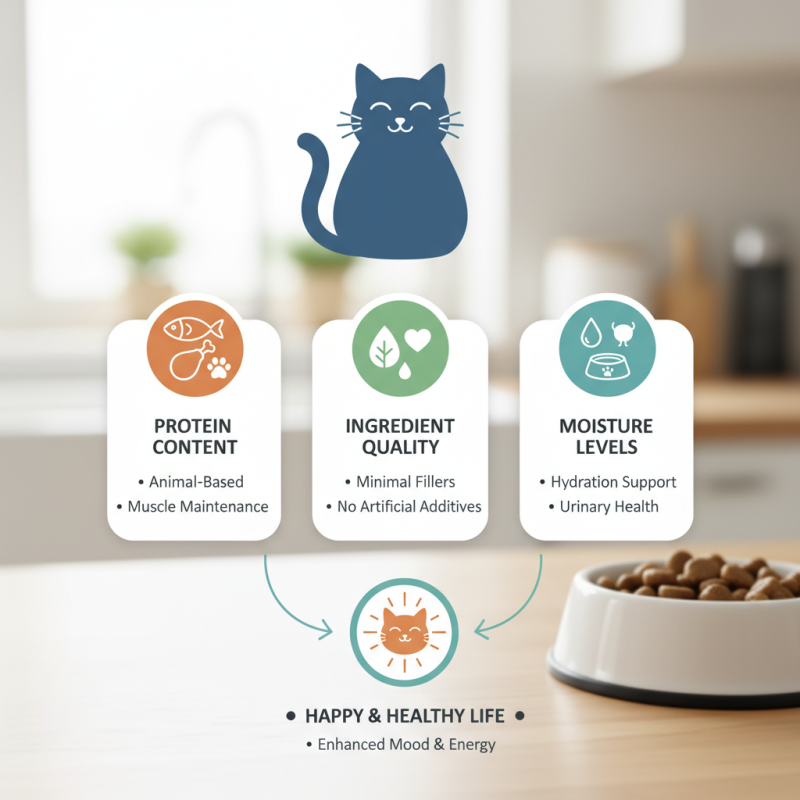
When selecting kitty wet food, it's vital to consider aspects such as protein content, ingredient quality, and moisture levels. Cats are obligate carnivores, meaning their diet must predominantly consist of animal-based proteins. It's also important to look for minimal fillers and artificial additives, as these can adversely affect digestion and overall health. Additionally, the moisture content in wet food can play a significant role in your cat's hydration, particularly if they are prone to urinary issues. By taking the time to carefully evaluate your options, you can ensure that your chosen wet food aligns with your cat’s nutritional needs, ultimately leading to a happier and healthier life for your beloved pet.
Understanding Your Cat's Nutritional Needs
Understanding your cat's nutritional needs is crucial for their overall health and happiness. Cats are obligate carnivores, which means that their diet must primarily consist of meat. When selecting wet food, it’s important to ensure that it contains high-quality protein sources to support their muscle development and energy levels. Look for options that list specific meats, such as chicken or fish, as the primary ingredient. This helps in providing essential amino acids, particularly taurine, which is vital for heart health, vision, and reproductive function.
In addition to protein, a balanced wet food should include the appropriate levels of fats, vitamins, and minerals. Fats are essential for energy and skin health, while vitamins and minerals support various bodily functions, including immune health and bone strength. Hydration is another crucial aspect; wet food typically contains more moisture than dry food, which is beneficial for maintaining your cat's urinary health. Finally, consider any specific dietary needs your cat may have, such as sensitivities or age-related requirements, ensuring you choose a formula that caters to these aspects for their well-being.
Comparison of Nutritional Components in Wet Cat Food
Exploring the Ingredients in Kitty Wet Food
When choosing wet food for your cat, examining the ingredients is crucial for ensuring their health and happiness. High-quality kitty wet food should list a protein source as the first ingredient. Cats are obligate carnivores, meaning they require protein for energy and overall well-being. Look for options that specify real meat, such as chicken or fish, rather than meat by-products, which can be less nutritious and harder for cats to digest.
Additionally, pay attention to the inclusion of essential nutrients and additives in the ingredient list. Besides protein, wet food should feature a balance of fats, vitamins, and minerals. Ingredients like omega fatty acids contribute to a healthy coat and skin, while taurine is vital for heart and eye health. It's also beneficial if the food contains real vegetables or fruits, which provide fiber and antioxidants, aiding digestion and immune function. Avoid foods with artificial preservatives, fillers, and excessive carbohydrates, as these can lead to health issues over time. By prioritizing wholesome ingredients, you can help foster your cat's health and happiness through their diet.
Evaluating Brands: Quality and Reputation
When evaluating kitty wet food brands, it's crucial to focus on the quality and reputation of the manufacturer. Look for brands that prioritize natural ingredients and avoid artificial additives. A reputable brand will often provide transparent information about ingredient sourcing, nutritional content, and the manufacturing processes used. Checking whether the company adheres to pet food regulatory standards can also give you insights into its commitment to safety and quality.
Additionally, consumer reviews and expert opinions can be valuable resources when assessing a brand's reputation. Positive feedback from fellow cat owners and endorsements from veterinarians may indicate a brand's reliability. Pay attention to the brand's history; those with a long-standing reputation for producing high-quality cat food are more likely to take the health of your pet seriously. Investigating any recalls or controversies surrounding a brand can also reveal important information about its practices and how they prioritize feline health and well-being.
How to Choose the Best Kitty Wet Food for Your Cat's Health and Happiness - Evaluating Brands: Quality and Reputation
| Nutritional Quality |
Ingredients |
Price Range |
Customer Reviews (Out of 5) |
Special Diet Options |
| High Protein, Low Carbs |
Real Meat, No Fillers |
$1.50 - $3.00 per can |
4.5 |
Grain-Free, Allergen-Free |
| Balanced Nutrition |
Whole Foods, No Artificial Colors |
$1.00 - $2.50 per can |
4.0 |
Weight Management |
| Complete and Balanced |
Premium Proteins, Superfoods |
$2.00 - $4.00 per can |
5.0 |
Senior, Sensitive Stomach |
| Natural Ingredients |
Real Fish, No By-products |
$1.80 - $3.50 per can |
4.3 |
Low Fat, Digestive Health |
Choosing the Right Texture and Flavor
When selecting wet food for your cat, the texture is an important factor to consider, as it can significantly influence your cat's eating experience. Cats can be quite particular about the texture of their food, so paying attention to this detail is crucial. Options range from pâté to chunks in gravy, and even shredded forms. Cats that prefer a smoother consistency might favor a pâté, while those that enjoy chewing may find chunks or shredded textures more appealing. It's advisable to experiment with various textures to determine which one your cat enjoys the most, as a texture that they enjoy can enhance their overall appetite and satisfaction.
Flavor is another key element in choosing wet food for your cat. Cats have taste preferences just like humans, and they may gravitate towards certain flavors over others. Common flavors include chicken, fish, and beef, but cats can also appreciate more unique tastes. Introducing new flavors gradually can help prevent any digestive upset and allows you to gauge their reactions. Additionally, rotating flavors can keep mealtime exciting for your cat, preventing them from becoming bored with their diet, which can lead to picky eating habits. Observing your cat's responses to different flavors can guide you in making the best dietary choices for their health and happiness.
Transitioning Your Cat to New Wet Food Options
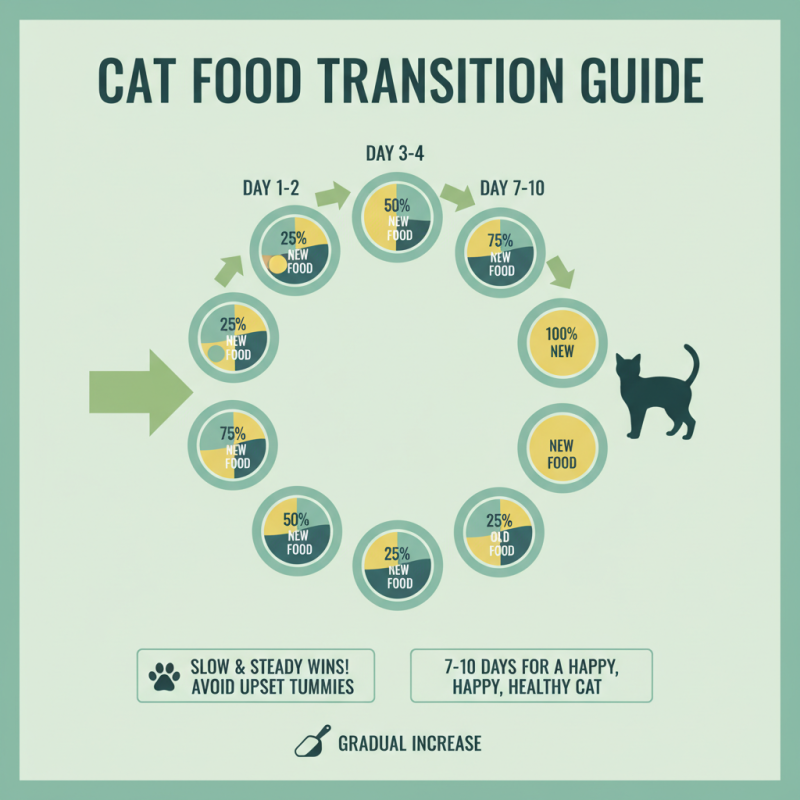
Transitioning your cat to new wet food options can be a delicate process, but it’s essential for maintaining their overall health and happiness. According to industry reports, approximately 60% of cats in the U.S. are classified as overweight or obese, often linked to poor dietary choices and abrupt changes in food. To avoid gastrointestinal upset and ensure a smooth transition, it is recommended to gradually incorporate the new wet food over a span of 7 to 10 days. Start by mixing a small amount of the new food with their current diet, incrementally increasing the proportion of the new food while decreasing the old.
To encourage acceptance of the new wet food, consider the texture and flavor, as cats can be particular in their preferences. Studies have shown that providing a variety of textures—such as pate, chunks in gravy, or shreds—can help in finding a suitable option that your cat prefers. Additionally, controlling meal times and encouraging feeding schedules can stimulate their appetite, making them more receptive to trying new options. Monitoring their health during this transition is crucial; tracking weight and any changes in behavior can help identify if the new food is beneficial or if further adjustments are needed. Keeping a close eye on hydration is also vital since wet food contributes significantly to a cat's moisture intake.