How to Choose the Best Cat Food for Your Pet's Health?
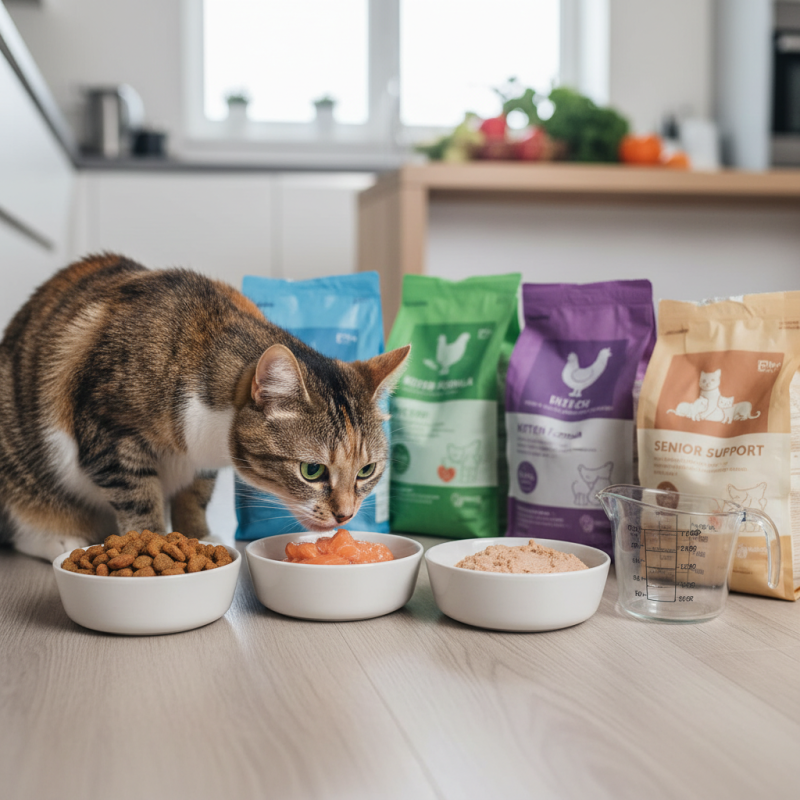
Choosing the right cat food is crucial for your pet's overall health. The variety on the market can be overwhelming. How do you select the best option?
Consider the nutritional needs of your cat. Each cat is unique and may require specific nutrients. Factors such as age, weight, and health conditions play a role. For instance, kittens need different formulas than older cats.
It’s easy to get lost among the brands and labels. Some products claim to be the best but don't meet quality standards. Always read the ingredients list. Look for whole meats and avoid fillers. Reflect on your cat's preferences, too; they might love fish but dislike chicken. Understanding your cat's needs will guide your choices effectively.
Understanding Nutritional Needs of Cats
Choosing the right cat food starts with understanding what your furry friend needs. Cats are obligate carnivores. They require high protein, moderate fat, and low carbohydrates. Their bodies thrive on nutrients found in animal tissues. This is crucial for overall health.
Look for a high-quality protein source. Check the first ingredient on the label. Chicken, beef, or fish are good signs. Ingredients like corn or wheat are often fillers. They may not provide necessary nutrients. Don't forget about vitamins and minerals. Taurine is vital for heart and eye health. Omega fatty acids support a shiny coat.
It’s also essential to consider your cat's age and lifestyle. Kittens need more calories than adults. Senior cats may require softer food. You should observe your cat’s behavior and health. If they seem lethargic or gain weight, think about altering their diet. There’s no one-size-fits-all approach. Each cat is unique and may need different adjustments over time.
Identifying Key Ingredients in Cat Food
Choosing the right cat food can feel overwhelming. With so many options, understanding key ingredients is essential. Start by looking for high-quality protein sources. Cats are obligate carnivores. They need protein for energy and muscle health. Look for named meats like chicken or fish at the top of the ingredient list.
Next, consider fat content. Healthy fats provide essential fatty acids. Omega-3 and omega-6 are beneficial for a shiny coat and healthy skin. A balance of fats can also contribute to overall well-being. However, too much fat might lead to obesity, which is a common issue for indoor cats.
Don't overlook carbohydrates. While cats don't require them, some food brands include grains and vegetables. It's crucial to ensure these are easily digestible. Low-quality fillers should be avoided. They can lead to digestive problems. Always pay attention to your cat's reactions. If they show signs of allergies or digestive distress, it may be time to reconsider their diet.
How to Choose the Best Cat Food for Your Pet's Health?
| Nutrient |
Importance |
Sources |
Recommended Amount |
Signs of Deficiency |
| Protein |
Essential for growth and muscle maintenance |
Chicken, Fish, Beef |
30-50% of total calories |
Weight loss, lethargy |
| Fat |
Provides energy and supports skin and coat health |
Fish oil, Chicken fat |
20-30% of total calories |
Dry skin, poor coat condition |
| Carbohydrates |
Provides energy and aids digestion |
Brown rice, Peas |
10-20% of total calories |
Diarrhea, weight gain |
| Vitamins |
Supports immune function and overall health |
Vegetables, Fruits |
Varies based on vitamin |
Weakness, poor immune response |
| Minerals |
Critical for bone health and metabolic processes |
Meat, Seafood |
Varies based on mineral |
Dental problems, bone issues |
Reading Labels: What to Look For
When selecting cat food, reading labels is essential. Ingredients should be your primary focus. Research shows that over 60% of cat owners fail to check the ingredient list. High-quality protein sources should be first. Look for real meat, not meat by-products. Good protein supports muscle health and energy levels.
Additionally, be cautious of fillers. Corn and wheat often serve as cheap fillers and can lead to digestive issues. The Association of American Feed Control Officials (AAFCO) states that cats require certain nutrients. Essential fatty acids and vitamins must be present. A label might boast about its meat content but overlook the necessary vitamins.
Another critical component is the order of ingredients. The first five items typically constitute over 70% of the food. If a carbohydrate is listed first, reconsider your choice. Watch for artificial additives, as these can harm your cat in the long run. While it may seem daunting, choosing the right food can significantly impact your pet's health.
How to Choose the Best Cat Food for Your Pet's Health?
This chart shows the recommended nutrient levels for optimal cat food, including protein, fat, fiber, moisture, and carbohydrates. When choosing cat food, looking for these levels on the label can help ensure your cat gets a balanced diet for better health.
Considering Your Cat's Age and Health Conditions
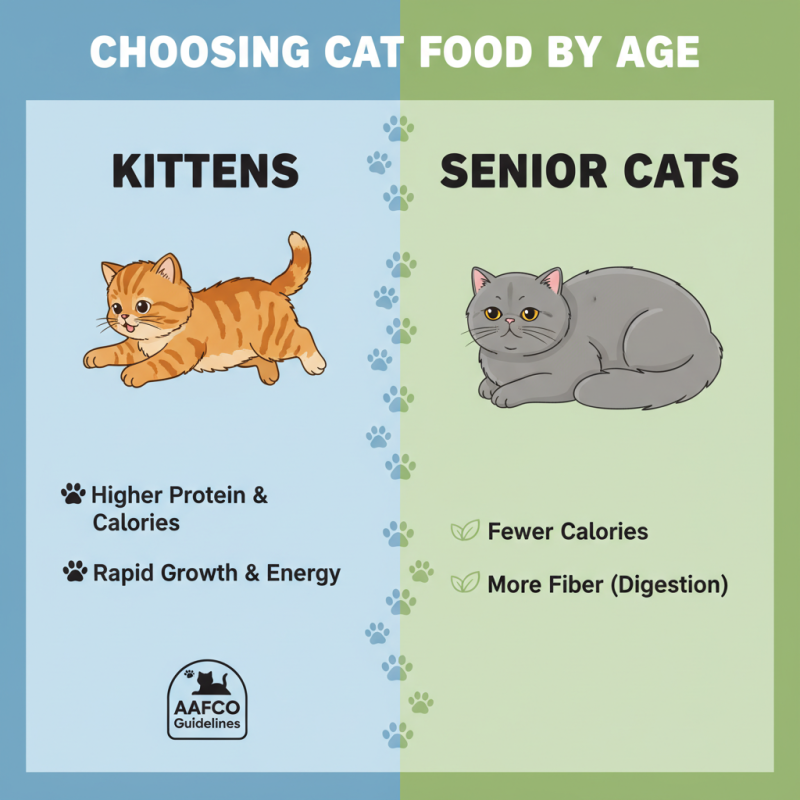
When choosing cat food, consider age and health. Kittens need different nutrients than older cats. According to the Association of American Feed Control Officials (AAFCO), kitten formulas should have higher protein and calories. These nutrients support their rapid growth and energy needs. In contrast, senior cats may require fewer calories but more fiber to aid digestion.
Health conditions also play a crucial role. Cats with kidney issues need food lower in protein and phosphorus. The Journal of Feline Medicine and Surgery highlights that renal diets can improve quality of life. Moreover, overweight cats might benefit from specialized formulas. These diets help manage weight, often containing fewer calories.
Not all options may fit your cat's needs perfectly. Some may react poorly to certain ingredients. Always monitor your cat after trying new foods. Research shows that 30% of cats can be picky eaters, complicating nutrition. Adjusting diets is not always straightforward. Balancing personal preferences and health requirements can be challenging. Consider consulting with a veterinarian for tailored advice and ongoing assessments.