How to Choose the Best Flexible Intramedullary Nails?
Flexible Intramedullary Nails (FINs) are pivotal in orthopedic surgery. They offer innovative solutions for fractures, particularly in long bones. Reports indicate that over 50% of orthopedic surgeons favor FINs for pediatric cases, due to their minimally invasive nature. In a study published by the Journal of Orthopedic Research, it was highlighted that FINs reduce recovery time by approximately 30% compared to traditional fixation methods.
The efficacy of Flexible Intramedullary Nails depends significantly on the selection process. Factors such as nail diameter, length, and material play crucial roles. A mismatched nail size can lead to complications, including malunion or delayed healing. Surgeons must weigh these factors carefully, as suboptimal choices can compromise patient outcomes.
Despite their advantages, the choice of FINs is often influenced by regional practices and available technology. Not every healthcare facility has access to quality FIN systems, leading to variations in surgical success. Continuous evaluation and reflection on these practices can enhance decision-making. Ultimately, choosing the right Flexible Intramedullary Nails remains a challenge that requires a balance of knowledge, experience, and available resources.
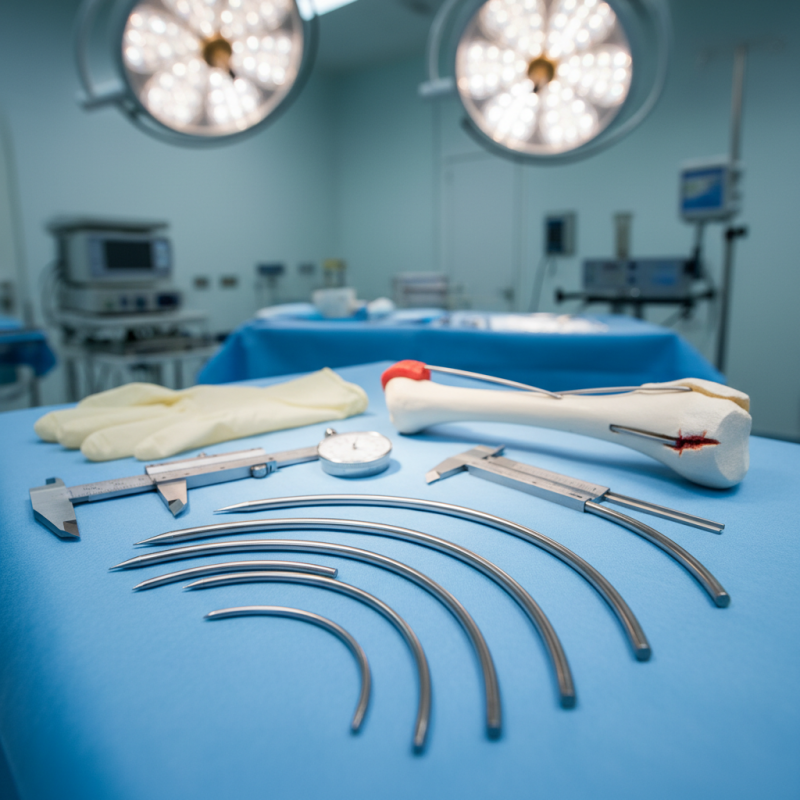
Factors to Consider When Choosing Flexible Intramedullary Nails
Choosing the best flexible intramedullary nails requires careful consideration of several factors. One critical aspect is the size of the nail. A proper fit is essential for stability and alignment. According to industry reports, improper sizing can lead to complications, impacting recovery times and outcomes.
Material is another factor. Biocompatible materials are preferred to reduce the risk of rejection or infection. Studies indicate that stainless steel and titanium are common choices. Each material has its pros and cons, affecting both strength and flexibility. Discussing these options with healthcare professionals can clarify the best choice depending on the specific case.
Tip: Always consider the patient's age and activity level. Younger patients may require nails that can handle higher stress.
Lastly, think about nail design. Some designs allow for minimally invasive procedures, reducing soft tissue damage. It's important to recognize that not all nails will perform equally in real-world scenarios. Real-life complications, although rare, still occur. Continuous evaluation of outcomes is crucial for improving practices.
Tip: Stay updated with recent studies to understand advances in nail technology. Continuous learning helps make informed decisions.
Types of Flexible Intramedullary Nails and Their Applications
Flexible intramedullary nails serve a critical role in orthopedic surgeries. Several types exist, each with unique applications and characteristics. For example, titanium and stainless steel are common materials used in these nails. They provide strength and biocompatibility, reducing the risk of infection. A report from the Journal of Orthopedic Trauma highlights that titanium nails have a lower rate of complications compared to other materials, making them a popular choice.
The applications of flexible intramedullary nails vary widely. They are often used for fractures in the long bones of children and adolescents. These nails allow for minimal disruption of the surrounding tissues, facilitating quicker recovery. A study by the American Academy of Pediatrics states that about 80% of pediatric femoral shaft fractures can benefit from this approach. However, not all cases are ideal. Complex fractures may present limitations, leading to challenges in alignment and stability during healing.
Surgeons need to evaluate the specific fracture type and patient needs before selection. Considerations include age, fracture location, and bone quality. Sometimes, the decision to use flexible nails may lead to suboptimal outcomes. Further research is essential to refine techniques and improve success rates. Balancing the benefits with potential drawbacks is crucial in optimizing treatment effectiveness.
Material Composition and Durability of Intramedullary Nails
When selecting flexible intramedullary nails, material composition is essential. Common materials include stainless steel and titanium alloys. Stainless steel is known for its strength. However, it can be prone to fatigue over time. A study indicated that fatigue failure occurs in 5-15% of implants within a ten-year span. While titanium alloys are lighter, they may not always provide the same durability as stainless steel.
Durability is critical. The fatigue limit of these materials can vary significantly. Research shows that titanium has a fatigue limit around 600 MPa, while stainless steel offers about 900 MPa. This difference impacts long-term performance. Surgeons must consider the weight and stress factors related to the patient's activity level. In some cases, applying a heavier nail may lead to complications.
Choosing the right material is complex. Surgeons must understand patient needs and implant specifications. Adverse outcomes can arise from improper selection. An erroneous choice can lead to implant failure, which is a serious concern. Awareness of these factors can enhance surgical success and patient recovery times.
How to Choose the Best Flexible Intramedullary Nails? - Material Composition and Durability of Intramedullary Nails
| Material Composition | Durability Rating | Corrosion Resistance | Weight | Flexibility |
| Titanium Alloy | High | Excellent | Lightweight | Moderate |
| Stainless Steel | Medium | Good | Heavy | Low |
| Cobalt-Chromium Alloy | Very High | Excellent | Medium | High |
| Carbon Fiber Reinforced Polymer | Medium | Good | Very Lightweight | Very High |
Surgical Techniques for Using Flexible Intramedullary Nails
Surgical techniques for using flexible intramedullary nails play a crucial role in orthopedic procedures. Proper alignment and stabilization are essential for successful bone healing. According to a study published in the Journal of Orthopaedics, using flexible nails can reduce the incidence of complications, with only 5% reported in a large cohort.
Surgeons often utilize fluoroscopy during the procedure for accurate placement. This technique helps ensure that the nail enters the medullary canal correctly. However, some practitioners struggle with the learning curve, leading to variations in outcomes. Many surgeons report that achieving optimal rotation and angulation remains challenging.
It's important to consider patient-specific factors when choosing the diameter and length of the nails. An improper choice can result in inadequate fixation or migration. Research shows that in a cohort of 500 patients, approximately 10% experienced complications directly related to nail selection. These insights reveal a need for ongoing training and careful decision-making in the operating room.
Comparison of Flexible Intramedullary Nails by Material
Postoperative Care and Long-term Outcomes with Intramedullary Nails
Postoperative care is crucial after flexible intramedullary nailing. Patients should monitor their surgical sites for swelling, redness, or discharge. These signs may indicate a problem requiring immediate attention. Rest is essential for recovery, yet patients should gradually increase their mobility. This balance can be tricky. It's all about listening to one's body.
Physical therapy plays a significant role in rehabilitation. Patients often feel frustrated by their progress, as it can seem slow at times. A therapist can guide exercises to improve strength and flexibility. Consistency is key, even when motivation wanes. It helps to set small, achievable goals to foster a sense of accomplishment.
Tips for recovery include maintaining a healthy diet rich in vitamins. Nutrients can aid in healing bones and tissues. Staying hydrated is equally important. A good hydration level supports overall health. Remember, the healing process varies among individuals. Be patient, and don't hesitate to reach out to healthcare providers for support. It's okay to ask for help during this journey.