How to Choose the Best Hypoallergenic Wet Dog Food for Your Allergic Dog
Choosing the right food for your dog is crucial, especially if your furry friend suffers from allergies. One of the best options to consider is Hypoallergenic Wet Dog Food, designed specifically to reduce the risk of allergic reactions by using limited ingredients that are less likely to cause sensitivities. This type of food not only caters to the dietary needs of allergic dogs but also ensures they receive the proper nutrition for maintaining their overall health and well-being.
There are several factors to consider when selecting Hypoallergenic Wet Dog Food. These include evaluating the ingredient list, ensuring the absence of common allergens, and understanding the specific dietary requirements unique to your dog's condition. Additionally, it's important to consult with a veterinarian to gain insights into your dog’s health status and any particular food sensitivities they may have. Making informed choices about your dog’s diet will contribute positively to their quality of life, allowing them to enjoy meal times without the discomfort associated with allergies. In this guide, we will explore the essential considerations and tips for choosing the best hypoallergenic wet dog food for your beloved pet.

Understanding Allergies in Dogs and Their Nutritional Needs
Understanding allergies in dogs is crucial for pet owners, particularly those with dogs that exhibit symptoms of food sensitivities or allergies. Allergies in dogs can manifest in various ways, including skin irritations, gastrointestinal upset, and chronic ear infections. These reactions are often triggered by common ingredients found in many commercial dog foods, such as certain proteins, grains, and artificial additives. Therefore, it is essential to be observant of any changes in your dog's health and behavior when introducing new foods, as this can help identify potential allergens.
When choosing hypoallergenic wet dog food, it is vital to consider the specific nutritional needs of your allergic dog. Hypoallergenic diets typically feature novel proteins and carbohydrates that are less likely to provoke an allergic reaction. Ingredients such as duck, fish, and sweet potatoes are often included to provide balanced nutrition while minimizing the risk of allergies. Additionally, selecting foods formulated with limited ingredients can simplify the diet and make it easier to monitor your dog’s reaction to each component. Always consult with a veterinarian before making any significant dietary changes, as they can provide tailored recommendations based on your dog's health history and nutritional requirements.
Identifying Hypoallergenic Ingredients and Their Benefits
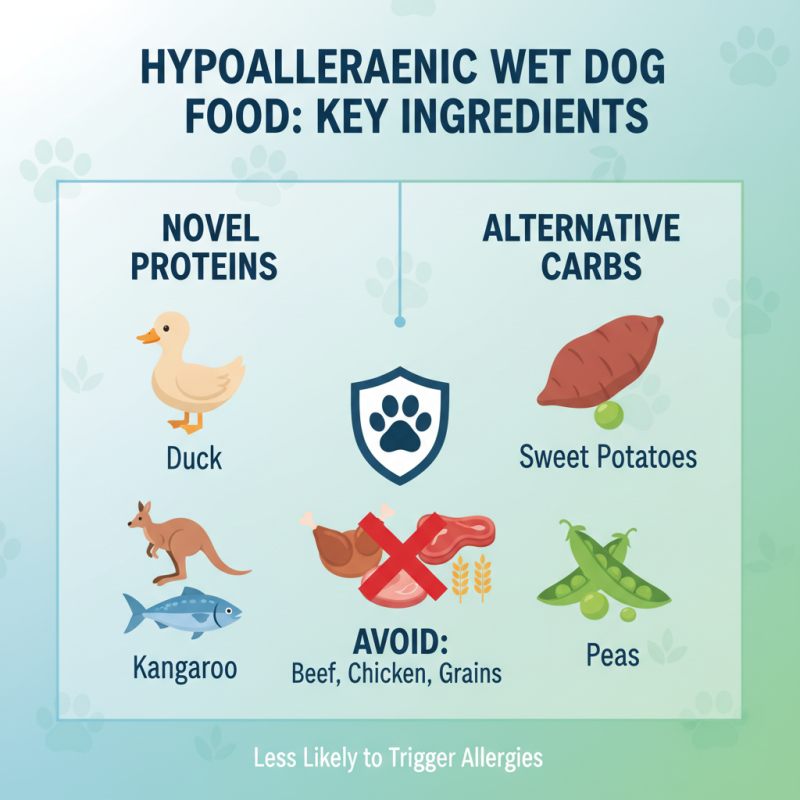
When selecting hypoallergenic wet dog food for your allergic dog, it's essential to understand the key ingredients that are less likely to trigger allergic reactions. Typically, hypoallergenic dog foods are formulated with unique proteins and carbohydrates that serve as alternatives to common allergens like beef, chicken, and grains. Novel protein sources, such as duck, kangaroo, or fish, are often utilized to minimize exposure to allergens. Additionally, carbohydrates such as sweet potatoes and peas may be incorporated, providing energy without stirring up allergic responses.
Tips: Always read the ingredient list carefully. Look for simple formulations that contain limited ingredients to easily identify potential allergens. If your dog has a known allergy, consult with your veterinarian before introducing any new food to ensure it aligns with your dog's dietary needs.
Moreover, the benefits of hypoallergenic ingredients extend beyond just allergy management. Many hypoallergenic options are also rich in omega fatty acids, which can improve skin health and reduce inflammation. Ingredients like flaxseed or fish oil can enhance your dog's coat condition, providing a dual benefit of allergy relief and overall wellness. By focusing on the quality and source of the ingredients, you can better support your dog's health while managing their allergies effectively.
Tips: Consider gradual introduction when switching to hypoallergenic food, allowing your dog’s digestive system to adjust comfortably. Monitoring your dog's reactions to new food is crucial for identifying any lingering allergies.
Evaluating Commercial Hypoallergenic Wet Dog Food Options
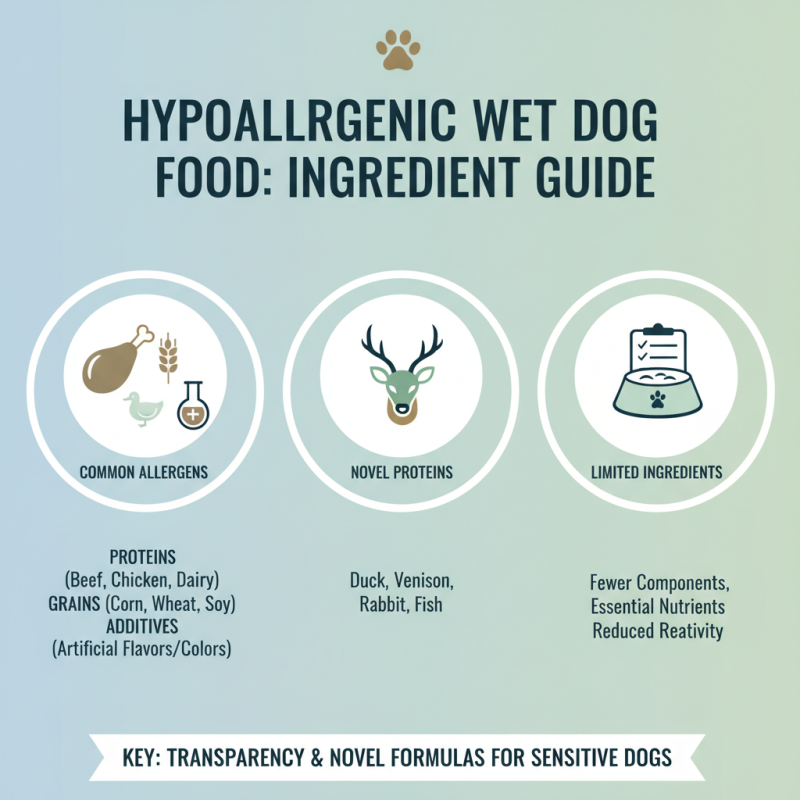
When evaluating commercial hypoallergenic wet dog food options, it's essential to understand the ingredients that contribute to allergenic reactions in dogs. According to a study published in the Journal of Veterinary Internal Medicine, common allergens found in dog food include certain proteins, grains, and additives. This underscores the importance of selecting formulations that utilize novel proteins—such as duck or venison—and limited ingredient diets that exclude typical allergens. The formulation of pet food can greatly influence a dog's health, particularly for those with food sensitivities, making ingredient transparency a priority for conscientious pet owners.
Moreover, it is crucial to review the manufacturing practices and sourcing of ingredients in hypoallergenic wet dog foods. A report by the Association of American Feed Control Officials (AAFCO) highlights that all pet food products should meet rigorous nutritional standards, but it also urges consumers to look for brands that prioritize quality sourcing and testing for contaminants. Choosing products that include easily digestible carbohydrates and emphasize high-quality meat can minimize the risk of potential allergic reactions. The shift towards holistic and grain-free diets has also been supported by various studies linking them to improved digestive health in dogs, providing a beneficial route for owners seeking the best hypoallergenic options for their pets.
Reading Labels: What to Look for in Hypoallergenic Dog Food
When searching for hypoallergenic wet dog food, it's essential to read labels carefully to select the right product for your allergic dog. Focus on food that lists a single source of protein, such as fish or lamb, as these are less likely to trigger allergies compared to common ingredients like chicken or beef. Look for limited ingredient diets, which typically contain fewer components, making it easier to identify allergens. Additionally, ensure the food is free from artificial additives, fillers, and preservatives.
Tip: Always check for specific carbohydrate sources as well, such as sweet potatoes or brown rice. These are generally well-tolerated by dogs with allergies and can provide essential energy without causing sensitivities.
Another crucial aspect to consider is the presence of omega fatty acids. These beneficial fats can promote skin health and reduce inflammation, which is particularly important for dogs suffering from allergies. Look for foods that explicitly mention omega-3 and omega-6 fatty acids in their ingredients.
Tip: When transitioning your dog to a new hypoallergenic diet, do so gradually to help minimize any digestive upset. Mix the new food with your dog's current food over several days to allow their system to adjust.
Hypoallergenic Dog Food Nutritional Analysis
This chart represents the nutritional content of typical hypoallergenic wet dog food. A balanced diet is essential for dogs with allergies, ensuring they receive adequate protein, carbohydrates, fats, fiber, and moisture.
Transitioning Your Dog to a New Hypoallergenic Diet
Transitioning your dog to a new hypoallergenic diet is a crucial step in managing their allergies effectively. Start the process gradually to minimize gastrointestinal upset. Begin by mixing a small amount of the new hypoallergenic food with your dog's current diet. This approach allows their digestive system to adjust to the new ingredients while still receiving some of their familiar food. Over the course of about a week, you can slowly increase the proportion of the new diet, observing your dog’s reaction throughout this transition period.
During this time, it’s essential to monitor your dog for any signs of allergy symptoms, such as itching, gastrointestinal upset, or lethargy. Keeping a close eye on their behavior and health will help you determine how well they are adapting to the new diet. If you notice any adverse reactions, consult with your veterinarian to discuss alternative options. Consistency is key, so try to maintain the feeding schedule while offering the new food, ensuring your dog can fully transition and reap the benefits of their hypoallergenic diet.