How to Choose the Best Kitten Wet Food for Your Pet?
When it comes to choosing the best Kitten Wet Food, expert veterinary nutritionist Dr. Sarah Thompson stresses the importance of quality ingredients. She once said, "High-quality wet food can make a significant difference in a kitten's growth and overall health." Kitten Wet Food is not just a meal; it's essential for the developing feline.
Selecting the right Kitten Wet Food involves more than just flavor. Kittens need specific nutrients for their rapid growth. Look for options rich in protein and essential fatty acids. It should not contain fillers or artificial additives. Every ingredient matters.
Consider the texture and moisture content, too. Kittens may prefer a smoother consistency. This can significantly affect their willingness to eat. Some brands may seem appealing but fail to provide balanced nutrition. Choosing wisely can prevent health issues down the line. It’s essential to reflect on what your kitten truly needs while navigating the vast choices available today.
Understanding Nutritional Needs of Kittens
Kittens have unique nutritional needs. They grow rapidly and require a balanced diet. The right wet food can make a big difference. Look for high protein content to support muscle development. This is key in their early stages.
Fats are also important. Healthy fats provide energy and aid in brain development. Check the ingredients list for quality sources of fat. Wet food should have plenty of moisture. Kittens often do not drink enough water. Hydration is crucial for their health.
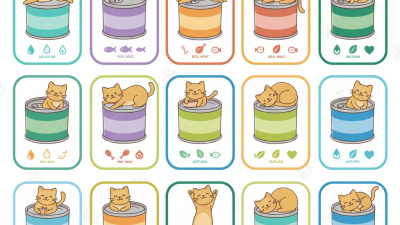
Some kittens may be picky eaters. It can take time to find what they like. Experiment with different flavors and textures. For some, chunks in gravy work well, while others prefer a smooth pate. Observe their reactions. It’s a learning journey for both you and your kitten.
Key Ingredients to Look for in Wet Cat Food
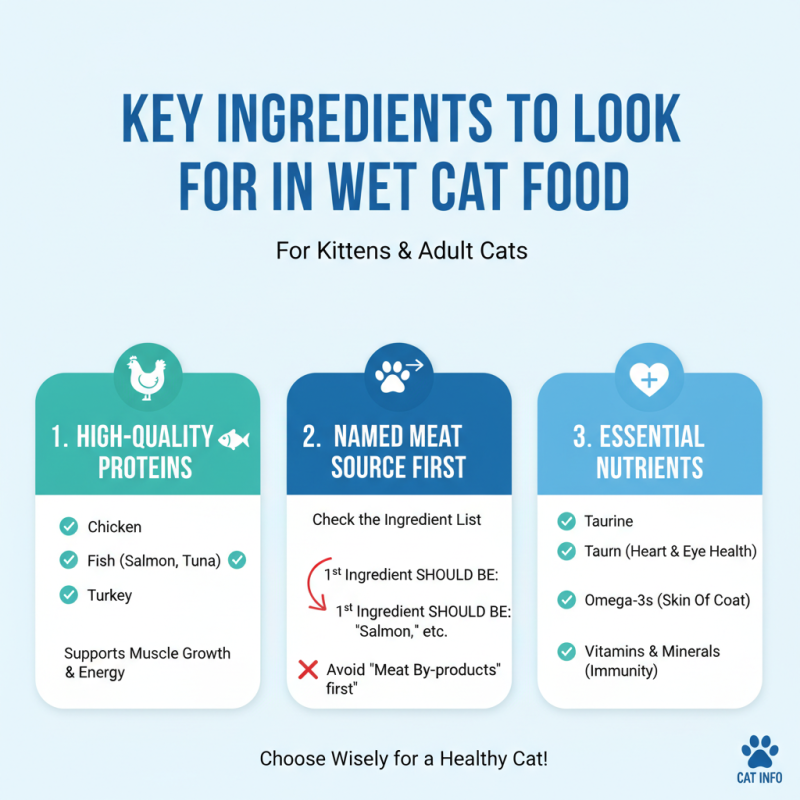
Choosing the right wet food for your kitten is crucial. When selecting, focus on key ingredients. Look for high-quality proteins like chicken or fish. These ingredients support muscle growth and energy. Ideally, the first ingredient should be a named meat source. This is a good sign.
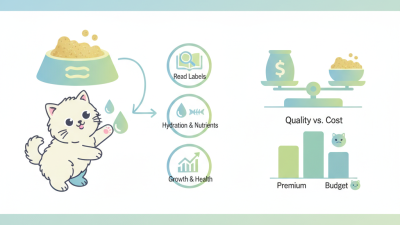
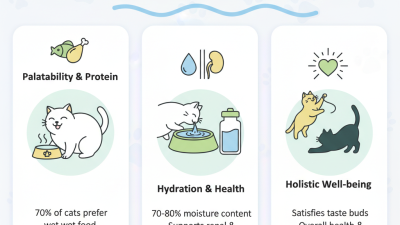
Moisture content is another factor. Kittens need hydration, and wet food offers that. Check for a moisture level of around 75% to keep your pet hydrated. Additionally, healthy fats like omega-3 and omega-6 are essential. They help maintain a shiny coat and promote brain development.
Sometimes, you might find fillers in wet food. These can be grain or unspecified meats. It's better to avoid them. They do not provide significant nutrition. Reading the label carefully is essential. Finding the right balance is challenging, but essential for your kitten's health.
Evaluating Quality: Brands and Certifications
Choosing wet food for kittens is not just about taste. Evaluating quality is crucial for your pet's health. Certain certifications can indicate better nutrition. Look for products approved by veterinary associations. A 2021 industry report found that 75% of pet owners look for such endorsements.
When examining brands, check their sourcing practices. Ingredients should be high-quality and identifiable. Avoid vague terms like "meat by-products." It's better if the food lists specific meats or fish. This transparency often correlates with better nutrition. A significant number of cat owners prefer brands that offer detailed ingredient lists.
Tips: Always consult with your vet before changing your kitten’s diet. Take time to compare labels across various options. Some formulations may claim to be complete but lack essential nutrients. Monitor your kitten’s energy levels and digestion after introducing new food.
Reading Labels: Decoding Ingredient Lists
When selecting the best wet food for kittens, understanding ingredient labels is crucial. Many pet parents overlook this step, relying on marketing instead of nutritional value. According to industry reports, nearly 70% of cat owners feel overwhelmed by ingredient lists. This confusion can lead to poor dietary choices for our pets.
Look for high-quality protein sources as the first ingredient. Meat, fish, or poultry should top the list. However, watch for vague terms like “meat by-products.” These can signal lower-quality ingredients. Studies show that kittens require a diet high in protein for healthy growth and development. A good wet food should contain at least 40% protein to support their needs.
It's essential to be cautious with additives. While some vitamins and minerals are beneficial, others may be unnecessary. The Association of American Feed Control Officials (AAFCO) recommends limited fillers in kitten food. Fillers may cause ineffective nutrient absorption. Always compare the nutrient breakdown, especially fat and carbohydrates. An optimal balance can lead to healthier, more energetic kittens.
How to Choose the Best Kitten Wet Food for Your Pet? - Reading Labels: Decoding Ingredient Lists
| Nutritional Component |
Importance |
Recommended Percentage |
| Protein |
Essential for growth and muscle development |
30-40% |
| Fats |
Needed for energy and development of the brain |
20-25% |
| Carbohydrates |
Provide energy and fiber for digestion |
5-10% |
| Vitamins |
Support immune function and overall health |
Trace amounts |
| Minerals |
Support bone and teeth health |
Trace amounts |
Considering Your Kitten's Taste Preferences and Dietary Restrictions
Choosing wet food for your kitten involves understanding their unique tastes and dietary needs. According to a report from the Association of American Feed Control Officials (AAFCO), kittens require higher protein levels than adult cats, with 30-40% of their diet consisting of protein. Observing your kitten’s preferences is crucial. Some prefer seafood over poultry, while others love a mix of flavors. You might notice your kitten's excitement for fish-based dishes. Yet, others may shy away from strong fish odors.
Dietary restrictions also play a significant role. Many kittens can have sensitive stomachs. Studies suggest that around 10-15% of kittens experience food sensitivities. Look for wet food options with limited ingredients. These are often easier on their digestive systems. If your kitten has a history of allergies, consult a veterinarian for tailored advice. Reading ingredient labels is essential. Avoid common allergens like wheat and dairy, as they can cause adverse reactions.
Feeding wet food can be messy. You may find half-eaten bowls that reflect your kitten's fickle nature. However, keeping an open mind helps. You may need to try different textures, such as pâté or chunks in gravy. Experimenting may seem frustrating, but it’s part of understanding your pet. Each kitten is unique, and patience is necessary in this journey of finding the perfect wet food.
Kitten Wet Food Preferences and Dietary Restrictions