How to Choose the Best Wet Dog Food for Your Pet?
Choosing the best wet dog food for your pet can be daunting. Pet food is a multi-billion dollar industry, with wet dog food comprising a significant market share. According to a report by Grand View Research, the global wet dog food market is expected to reach $14.92 billion by 2025. This highlights the popularity of wet food among pet owners.
Wet dog food offers several benefits. It is often more palatable for dogs and can provide hydration. However, not all wet dog food is created equal. Ingredients vary widely and may contain low-quality additives. A recent study revealed that nearly 30% of dog food brands do not meet high safety standards. This inconsistency raises concerns for pet owners.
When selecting wet dog food, look for high-quality proteins and a short ingredient list. Trustworthy brands often provide transparency. However, dog preferences vary, and what works for one may not work for another. It’s crucial to evaluate your dog’s needs, including age and health. Ensuring your furry friend receives optimal nutrition can feel overwhelming, yet it is worth the effort.

Factors to Consider When Selecting Wet Dog Food
When selecting wet dog food, several factors come into play. The nutritional value is crucial. Look for options with high-quality proteins and essential nutrients. Ingredients should be natural and easily recognizable. Reading the label is a must. Some foods use fillers that add little nutritional value. This may affect your dog's health over time.
Texture and flavor also matter. Wet food often varies in consistency, from pâté to chunky styles. Your dog may prefer one over the other. Experimenting can reveal their favorites. However, keep an eye on how your dog reacts. Changes in appetite or digestion may indicate that something isn't right.
Another important aspect is your dog's specific needs. Age, size, and health conditions are all influential. A senior dog might need different nutrients than an active puppy. Be mindful of these factors. If you notice any odd behavior or health issues, it’s essential to reassess your choice. Sometimes, what seems like a great option may not be ideal for your beloved pet.
Factors to Consider When Selecting Wet Dog Food
Understanding the Nutritional Needs of Your Dog
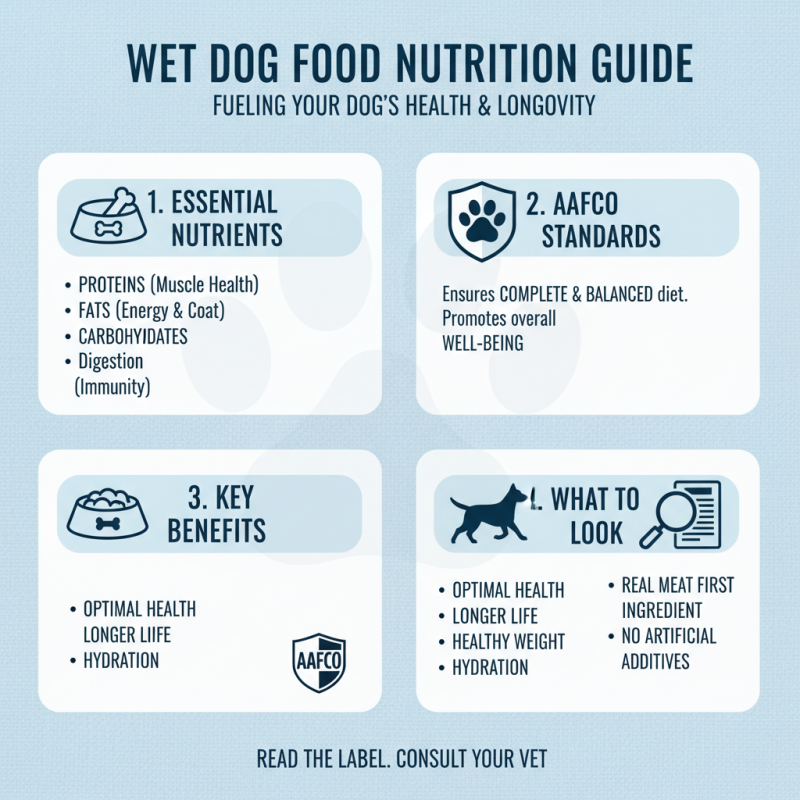
When selecting wet dog food, understanding your dog's nutritional needs is crucial. Dogs require a balance of proteins, fats, carbohydrates, vitamins, and minerals. According to the Association of American Feed Control Officials (AAFCO), a balanced diet helps maintain your pet's health and longevity.
Many pet owners overlook that the protein source is vital. Dogs typically need around 18-25% protein depending on their life stage. Puppies need more, about 22-32%. High-quality protein sources are essential for growth and muscle maintenance.
**Tip:** Check the ingredient list for specific meat sources rather than vague terms like "meat by-products."
Fats play a critical role in energy generation. An appropriate fat content, around 8-15%, supports skin and coat health. Omega-3 and omega-6 fatty acids should be present. These are important for reducing inflammation and enhancing immunity.
**Tip:** Consult with your veterinarian to tailor your dog’s diet based on its health condition and lifestyle.
An often-cited statistic shows that 56% of dogs in the U.S. are overweight. Feeding the right amount of wet food can help maintain optimal weight. Regular adjustments based on your dog's activity level and health are necessary. It's a continuous learning process that requires observation and reflection on your dog’s condition.
Comparing Different Brands and Types of Wet Dog Food
When choosing wet dog food, comparing brands and types is crucial. Research indicates that over 35% of dog owners switch brands annually. Many dogs might thrive on a specific ingredient profile or texture. Look for options packed with high-quality proteins and low in fillers. Grain-free diets are becoming popular, but consult with a vet before making drastic changes.
Tips: Always check the first five ingredients. A high protein source should be at the top. Ensure there’s a balance of fats and carbs for energy needs.
Canned food often appeals to picky eaters, but some lack essential nutrients. It's essential to read labels carefully. Many brands promise the best, yet delivery falls short. A recent report highlighted that many premium brands contain unlisted additives. Thus, transparency is key. Seek out products with clear sourcing information.
Tips: Try sampling different textures. Some pups prefer pate, while others enjoy chunks in gravy. Keep an eye on your dog's reaction. It’s important to adjust based on their preferences and health needs.
Reading Labels: What to Look For in Wet Dog Food
Reading labels is essential when choosing wet dog food. You should pay close attention to the ingredients list. The first few items listed are the most important. Look for high-quality protein sources, such as meat or fish. Avoid foods that list generic terms like "meat by-products." These can be low-quality and unappealing.
It's also crucial to check for added fillers and artificial additives. Ingredients like corn and soy are common fillers that can cause digestive issues in some dogs. Instead, look for wholesome fillers like sweet potatoes or brown rice. These provide healthy carbohydrates and energy. Watch out for preservatives and colors that may not be necessary for your pet's diet.
Reading the guaranteed analysis is another vital step. This section tells you the food's nutrient content. It outlines protein, fat, fiber, and moisture levels. Different dogs have different needs. Some may require higher fat or protein, while others need lower levels. It’s worth discussing your dog's specific needs with your vet. A little extra research can pay off in your dog's health and happiness.
Assessing Your Dog's Preferences and Dietary Restrictions
When choosing wet dog food, consider your dog’s unique preferences. Some dogs enjoy specific textures, while others prefer particular flavors. Pay attention to what excites your dog during mealtime. A simple observation can lead to better choices. If your dog loves chicken but turns its nose up at beef, that’s vital information.
Dietary restrictions must also be considered. Dogs may have allergies to certain ingredients. Common allergens include grains and certain meats. If your pet experiences digestive issues or skin problems, it might be time to rethink their diet. A vet can offer guidance tailored to your dog’s needs.
Sometimes it’s tricky to find the right balance. You want to offer variety but also need to ensure safety. Reading labels can be overwhelming. There is a lot of conflicting information available. Take your time to experiment with different options, but stay vigilant for any adverse reactions. Trusting your instincts and paying attention to your dog’s cues make a difference.
How to Choose the Best Wet Dog Food for Your Pet? - Assessing Your Dog's Preferences and Dietary Restrictions
| Type of Protein |
Grain Content |
Age Suitability |
Flavor Profile |
Special Dietary Needs |
| Chicken |
Grain-Free |
Puppy |
Savory Chicken & Rice |
Sensitive Stomach |
| Beef |
With Grains |
Adult |
Beef Stew |
Weight Management |
| Lamb |
Grain-Free |
Senior |
Lamb & Vegetable |
Allergies |
| Fish |
With Grains |
All Life Stages |
Salmon & Sweet Potato |
Omega Fatty Acids |
| Turkey |
Grain-Free |
Puppy |
Turkey & Brown Rice |
High Protein |