How to Choose the Best Kitty Wet Food for Your Cat?
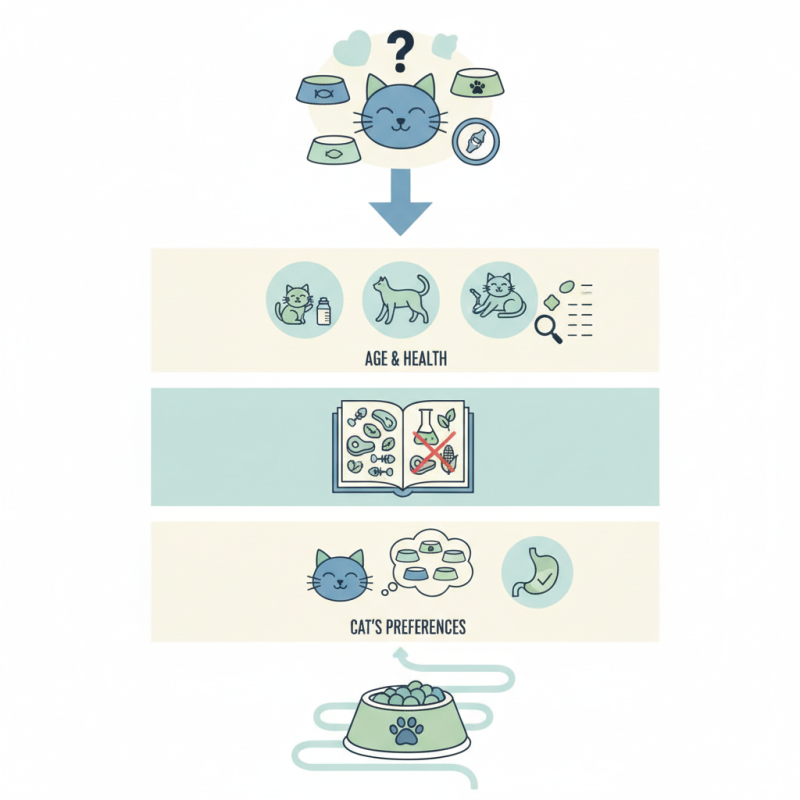
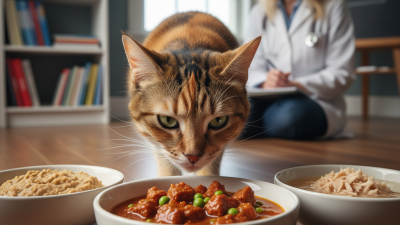
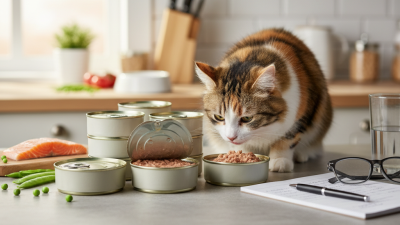
Choosing the right kitty wet food can feel overwhelming. With so many options available, how do you make the best choice for your cat? A balanced diet is essential for your feline friend. Wet food offers hydration and nutrients that dry food may lack.
Consider your cat's age and health. Kittens, adults, and senior cats have different dietary needs. For instance, kittens require higher protein levels for growth. It’s vital to read labels carefully. Look for quality ingredients, such as real meat or fish. Beware of fillers and artificial additives.
Don’t forget your cat's preferences. Taste matters, and some cats can be picky eaters. You might need to try several brands before finding the right match. Remember that some options may not sit well with your cat’s stomach. Be observant of any adverse reactions, and adjust accordingly. It’s a journey to find the perfect kitty wet food.
Choosing the Right Protein Sources in Kitty Wet Food for Optimal Health
Selecting the right protein sources is crucial for your cat's health. Cats are obligate carnivores, meaning their diet must be high in animal protein. Research indicates that protein should make up at least 30-50% of their diet, with essential amino acids like taurine being vital for heart and eye health.
When examining wet food options, prioritize specific protein sources. Chicken, beef, and fish are common, but consider novel proteins too. These can include rabbit or duck, which might be beneficial for cats with allergies. A study by the American Association of Feed Control Officials (AAFCO) states that real meat should be the first ingredient. Identifying protein quality is equally essential. Look for whole meats over by-products or filler ingredients.
It's also important to reflect on your cat's preferences and digestion. Not all cats thrive on the same protein sources, and some may have sensitive stomachs. If your cat experiences digestive issues, it might be worth experimenting with different proteins. This trial-and-error approach, though sometimes inconvenient, could lead to improved health and satisfaction for your feline friend.
Understanding the Nutritional Needs of Cats Based on Life Stage and Activity
Cats have unique nutritional needs based on their life stage and activity levels. Kittens require higher protein. They are growing rapidly and need extra calories for energy. This transition influences their health. Adult cats have different requirements; they benefit from balanced nutrition that supports a healthy lifestyle. Senior cats often need fewer calories but higher fiber for digestion.
When choosing wet food, consider your cat's activity. An active cat may need more protein and fat to sustain energy. In contrast, a less active cat might benefit from lower calories. Pay attention to the ingredients. Look for whole proteins, healthy fats, and added vitamins.
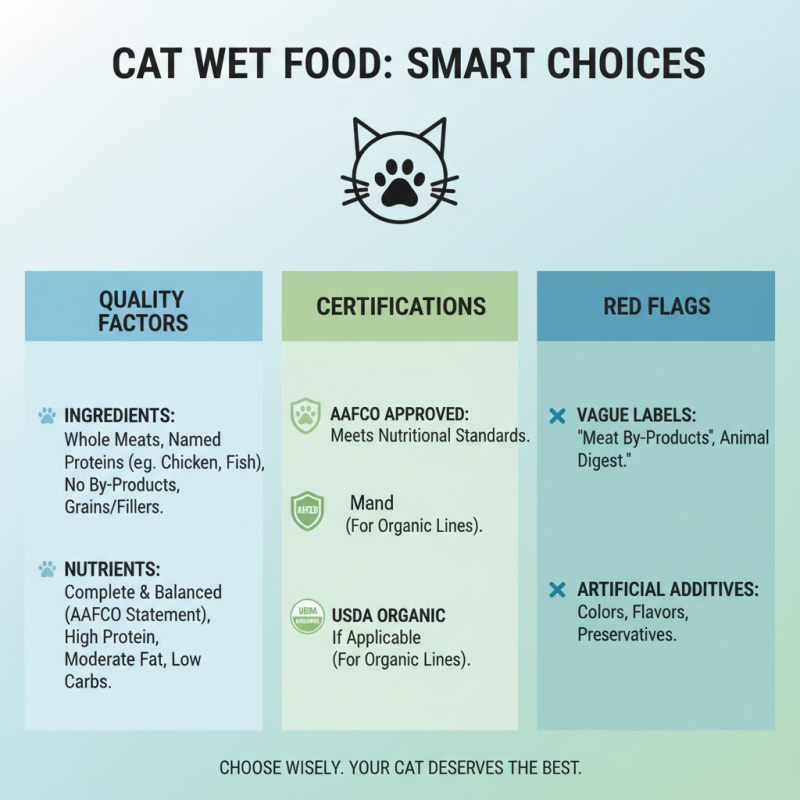
Tips: Look for high moisture content in wet food. It helps keep your cat hydrated. Check for AAFCO standards on the label—it guarantees nutritional adequacy. Always observe your cat's response to new foods. If their behavior or health changes, reconsider your choices.
Evaluating Ingredients: What to Look for and What to Avoid in Wet Food
When selecting wet food for your cat, ingredient quality matters. Look for high-quality protein sources as the first ingredient. A report by the Association of American Feed Control Officials (AAFCO) states that protein is essential for a cat's muscle development and overall health. Avoid products that list meat by-products or fillers as primary ingredients. Cats are obligate carnivores, needing real meat for optimal nutrition.
Additionally, check for beneficial additives. Ingredients like taurine are crucial for heart and eye health. According to a study from the Journal of Animal Science, taurine deficiency can lead to serious health issues in cats. On the flip side, steer clear of artificial preservatives and flavors. These can contribute to long-term health problems. Regular consumption of artificial ingredients may lead to allergies or digestive issues.
It's crucial to analyze the label comprehensively. Research indicates that many pet owners overlook nutritional information. A survey showed that nearly 40% of cat owners do not understand ingredient lists. Take time to study the components. While some brands may claim to be premium, their ingredients may not back this up. Understanding what's in your cat's food can lead to better choices and a healthier life for your feline friend.
Comparing Price vs. Quality: Making Informed Choices for Your Cat's Diet
Choosing the right wet food for your cat can feel overwhelming. Price and quality often clash, leaving pet owners confused. With an array of options available, it’s important to find a balance. Sometimes, low-cost food may lack essential nutrients. It's a gamble that could affect your cat's health.
When evaluating wet food, check the ingredient list. High-quality protein sources should be at the top. Avoid options with fillers or artificial additives. While premium brands may seem pricey, they often offer better nutrition. Reflect on this: is saving a few dollars truly worth it if your cat's well-being is at stake?
However, high cost doesn’t always mean high quality. Many moderately priced brands offer excellent nutrition. Look for reviews and recommendations from fellow cat owners. Consider your cat’s unique needs. Allergies or sensitivities could dictate your choice, regardless of price. Weigh these factors carefully for a healthy diet.
Choosing the Best Kitty Wet Food: Price vs. Quality
This chart compares the price per can and quality score of various wet cat food brands, helping you make informed choices about your cat's diet.