How to Choose the Best Wet Food for Your Cat?
Choosing the best wet food for your cat can be challenging. With so many options available, making the right choice is crucial. Dr. Lisa Spano, a renowned pet nutrition expert, emphasizes, "Quality wet food can enhance your cat's health and happiness."
Wet food is essential for hydration and helps maintain your cat's weight. Many brands offer various flavors and textures. It's important to pay attention to ingredients. Quality protein sources are vital, but some products use fillers. You might find yourself debating between price and quality. It's tempting to choose the cheaper option, but it could harm your cat's nutrition.
Reading labels is key. Look for high moisture content and real meat as the first ingredient. While you may gravitate towards popular brands, consider doing your research. Not every well-known name provides the best wet food. Cats have unique preferences, and you may need to experiment. Be prepared for some trial and error as you seek the right fit for your furry friend.
Understanding Your Cat's Nutritional Needs
Choosing the right wet food for your cat begins with understanding its nutritional needs. Cats are obligate carnivores, meaning they require a high-protein diet. Their bodies rely on protein for energy and overall health. Look for wet foods rich in animal-based proteins, such as chicken or fish. These are crucial for muscle maintenance and proper function.
Additionally, hydration is key. Wet food contains moisture, which helps keep your cat hydrated. Cats often do not drink enough water, leading to urinary issues. Selecting food with a high moisture content can prevent this. It’s essential to read the labels. Nutritional content varies widely among options.
Consider your cat's age, size, and health condition. Kittens need different nutrients compared to senior cats. Observe how your cat reacts to different wet foods. Some may love a particular flavor, while others turn away. Keep experimenting. This process can be frustrating but vital for your cat's happiness. Always consult with a vet if unsure about your cat’s dietary needs. Tailoring their food can lead to a happier and healthier life.
How to Choose the Best Wet Food for Your Cat? - Understanding Your Cat's Nutritional Needs
| Nutritional Aspect |
Recommended Range |
Common Sources |
Benefits |
| Protein |
30-50% |
Chicken, Fish, Beef |
Supports muscle health and energy |
| Fat |
10-25% |
Fish oil, Chicken fat |
Provides energy and supports skin health |
| Carbohydrates |
<10% |
Rice, Peas |
Provides energy and aids digestion |
| Fiber |
1-5% |
Beet pulp, Cellulose |
Supports digestive health |
| Vitamins & Minerals |
Balanced Levels |
Supplemented Nutrients |
Supports overall health and immunity |
Evaluating Ingredients in Wet Cat Food
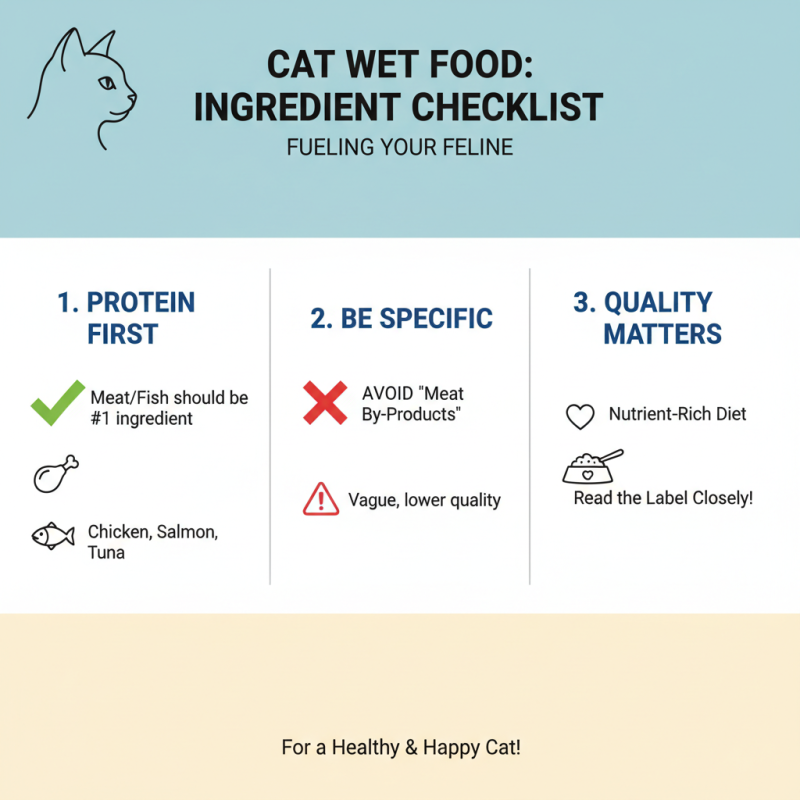
When selecting the right wet food for your cat, evaluating ingredients is crucial. Start by examining the first few ingredients listed. Ideally, the primary source of protein should be meat or fish. For instance, chicken or salmon should top the list, indicating a protein-rich content. Avoid foods with vague terms like "meat by-products." These can be lower quality and less nutritious.
Next, pay attention to fillers. Ingredients such as corn, wheat, or soy are common. They may lower costs but offer little nutrition. Cats are obligate carnivores. Therefore, their diets need to be protein-centric. Some wet foods include fruits and vegetables, which can be beneficial. However, they shouldn't overshadow meat content.
Don’t forget to check for essential nutrients. Taurine is vital for a cat's health. Look for wet foods fortified with vitamins and minerals. But remember that a long ingredient list doesn’t always equal quality. Sometimes, less is more. Choose brands that clearly state their sourcing practices. Many times, labels can be misleading. Always question the quality of what's in the can. Continuous reflection on ingredient choices is necessary as your cat's needs evolve.
Comparing Different Brands and Formulations
When selecting wet food for your cat, it’s crucial to consider various brands and their formulations. Not all wet foods are created equal. Some might boast high protein content, while others have fillers that don’t contribute much to your cat's health. Pay attention to protein sources. Real meat should be at the top of the ingredient list. Cats are obligate carnivores, so their diet needs meat.
Texture and flavor are also important. Many cats are picky eaters. Experiment with pates, chunks in gravy, or shredded meat to see what your cat prefers. It can be a trial-and-error process. Don’t be surprised if your cat suddenly prefers one type over another. Nutritional content varies widely among brands. Some might claim “balanced nutrition” but leave out essential vitamins or minerals.
Consider your cat's age and specific needs. Senior cats may require different formulations than kittens. Always read the nutrition label carefully. Be wary of claims that sound too good to be true. A food might look appealing but may lack the necessary nutrients. Continuous evaluation is key. Your cat's health and happiness depend on a thoughtful choice. Reflect on your choices regularly as your cat's preferences may change over time.
Comparison of Nutritional Content in Different Wet Cat Foods
This chart displays the comparison of protein, fat, and fiber content in various wet cat food formulations. The data helps in selecting a suitable wet food for your cat based on its dietary needs.
Considering Your Cat's Age and Health Conditions
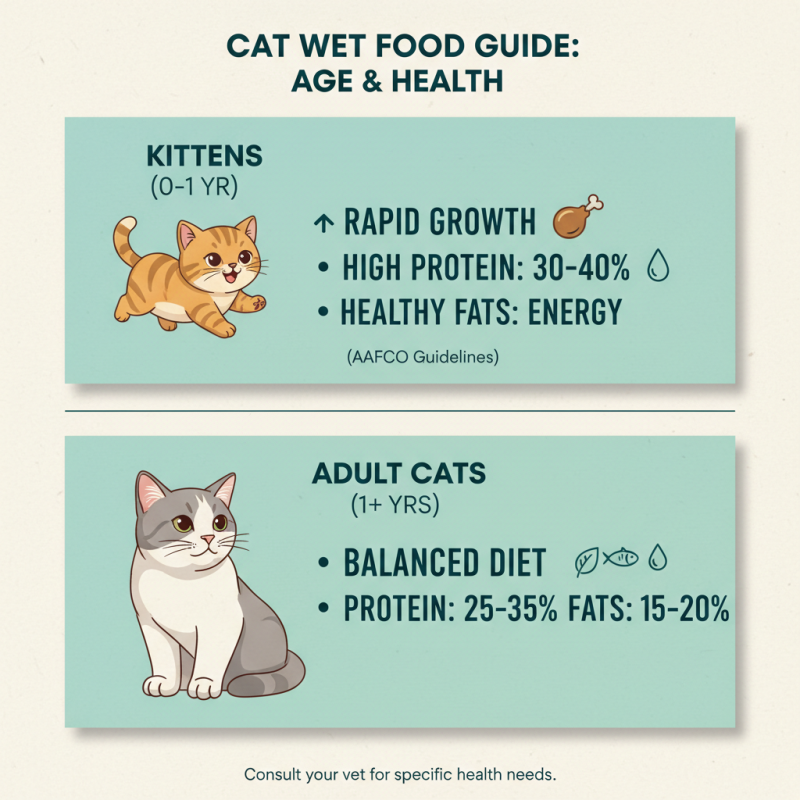
When selecting wet food for your cat, age and health should guide your choices. Kittens need nutrient-dense food to support their rapid growth. They require higher protein levels, around 30-40% of their diet, according to the Association of American Feed Control Officials (AAFCO). Healthy fats are also vital for energy. Adult cats, on the other hand, usually need a balanced diet that includes proteins at 25-35% and fats at 15-20%.
Senior cats often face different health challenges. Their nutritional needs may shift towards easier digestion. At this age, protein levels should be moderated to prevent kidney strain. Studies show that elderly cats benefit from diets lower in phosphorus but higher in moisture content. This helps maintain hydration and supports kidney function.
**Tips:** Always consult your vet regarding dietary changes based on health conditions. Monitor your cat's weight and adjust portions accordingly. Look for specific formulations for age groups, as they cater to unique dietary needs. Not every cat thrives on the same food, and some trial and error may be necessary.
Assessing Packaging and Storage Options for Freshness
When selecting wet food for your cat, the
packaging and storage options significantly impact freshness and quality.
Research indicates that about 70% of cat owners report using canned food.
However, proper storage is essential for maintaining nutritional integrity. An open can should be stored in the refrigerator.
It can spoil after just a few days. Many owners underestimate the importance of this, leading to waste and potential health risks for their pets.
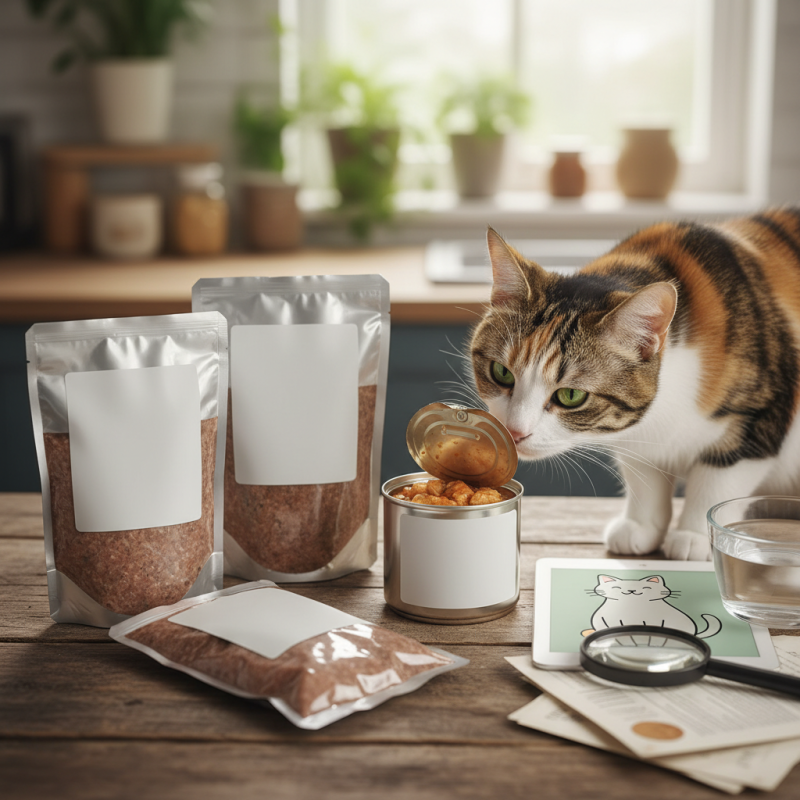
Choose packaging that is airtight and resistant to moisture.
Many wet foods come in vacuum-sealed pouches or cans designed to prevent exposure to air.
According to a study by the Pet Food Industry, 85% of pet owners prefer packaging that maintains freshness.
Some products also include easy-pull tabs, which can enhance convenience.
However, not all packaging is created equal. Some may contain BPA, which can leach into the food and raise concerns.
Monitor storage conditions closely. Ideal storage environments keep food away from light and heat.
It’s critical to avoid sunny kitchen areas. Reporting shows that improper storage can reduce the shelf life of wet food by up to
30%. Many cat owners may not realize that variations in temperature can accelerate spoilage.
Always check for signs of spoilage, such as an off odor or unusual texture.
Storing wet food correctly ensures your feline companion remains healthy and happy.