How to Choose the Best Canned Kitten Food for Your Pet?
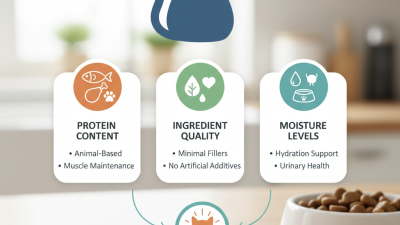
Choosing the right Canned Kitten Food is vital for your pet's health. Studies show that quality kitten food is crucial for growth and development. According to the American Association of Feed Control Officials, kittens need higher protein levels than adult cats. Canned food typically provides more moisture, essential for hydration.
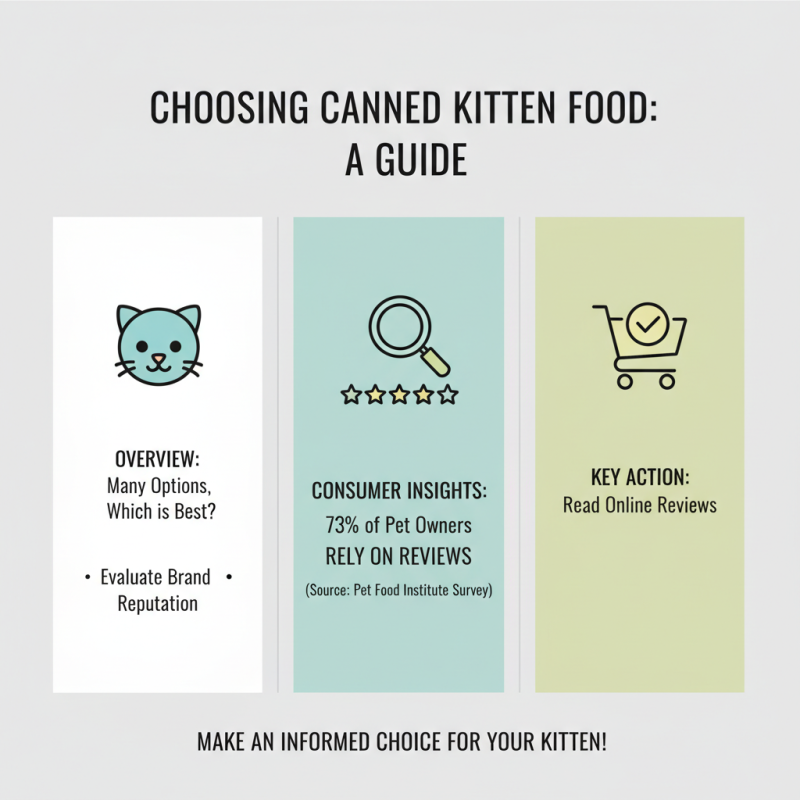
Many brands offer varied recipes, making selection daunting. For instance, a report by the Pet Food Institute states that over 70% of cat owners prefer canned options. However, not all canned foods are created equal. Some products contain fillers and artificial ingredients. This compromises the nutrition kittens need.
Pet owners should consider several factors. Specifically, look for high-quality protein sources and limited carbohydrates. Reading ingredient lists can quickly identify poor choices. Reflecting on your pet's specific needs will lead to healthier choices. Trustworthy sources and veterinary guidance are paramount for making the best decision.
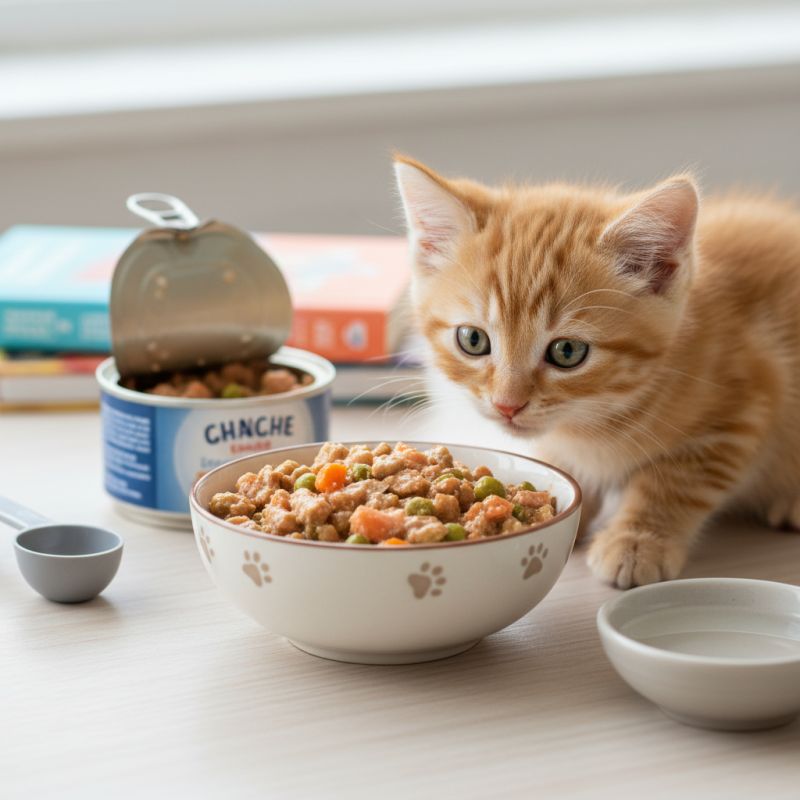
Factors to Consider When Selecting Canned Kitten Food
Choosing the right canned kitten food can be a challenging task. Start by looking at the ingredients.
High-quality proteins should be the first item listed. Cats are obligate carnivores, so their food needs real meat.
Avoid options with fillers like corn or soy. These ingredients provide little nutritional value.
Another important factor is moisture content. Kittens need hydration for healthy development. The right canned kitten food should
have a good balance of moisture. Look for products with at least 75% water content. It’s crucial for their kidneys and urinary tract health.
Check for added vitamins and minerals. Essential nutrients such as taurine are vital for a kitten's growth. However, some foods
may have excessive additives. Reading labels can help you find a good balance. It’s okay to experiment with different brands
until you find one that suits your kitten's taste. Remember, it may take some time for them to adjust. Your pet’s health is worth the effort.
Understanding Nutritional Requirements for Growing Kittens
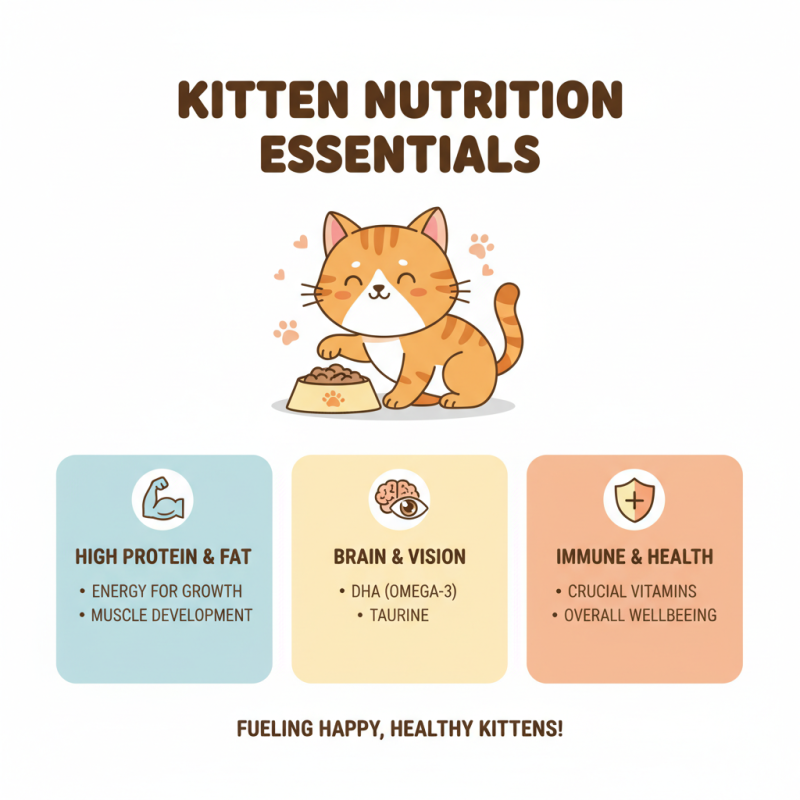
When selecting the best canned kitten food, it's crucial to understand the nutritional needs of growing kittens. Kittens require a diet high in protein and fat. Their little bodies need energy for rapid growth and development. Look for foods that provide essential nutrients like taurine, DHA, and vitamins. These components support healthy vision and brain development.
Tips: Always check the ingredient list. Quality sources of meat should be at the top. Avoid fillers like corn or soy. They offer little nutritional value. Kittens also need a balance of fatty acids, especially omega-3 and omega-6. These support their skin and coat health, vital as they grow.
It's important to remember that not all kittens will respond well to the same food. Some may have sensitivities to certain ingredients. It might take time to find the right fit. Monitor their behavior and weight regularly. If they seem sluggish or have digestive issues, reconsider their food. Adjusting their diet may be necessary to ensure proper health support.
Comparing Different Ingredients in Canned Kitten Foods
When selecting canned kitten food, ingredients play a crucial role in ensuring your pet's health. Proteins should be a top priority. A study by the Association of American Feed Control Officials (AAFCO) indicates that kittens require a diet comprising at least 30% protein. Sources of protein can vary. Quality is essential; animal-based proteins are often more digestible than plant proteins. The first ingredient should ideally be a named meat source, like chicken or turkey.
Fats are another key component. They provide essential fatty acids that support healthy skin and growth. The optimal fat content is between 15% to 20% for kittens, as per industry standards. However, not all fats are equal. Omega-3 and Omega-6 fatty acids should come from fish oils or flaxseed. These are important for brain development.
Carbohydrates are often less crucial but should not be neglected. They can provide energy but should come from whole grains or vegetables, rather than fillers. Ingredients like corn or soy are sometimes debated. Some experts believe they offer little nutritional value. Always check the labels. A simple can of food might appear complete but could skimp on essential ingredients. Choosing the right canned food is not just about avoiding poor options; it's about understanding what truly benefits your kitten’s growth.
How to Transition Your Kitten to a New Canned Food
Transitioning your kitten to a new canned food can be a delicate process. Cats are creatures of habit.
A sudden change in diet may lead to digestive issues. According to veterinary surveys, around
30% of pet owners report feeding their pets
different foods without proper transitions, which often results in gastrointestinal upset.
To ease this transition, start by mixing the current food with the new canned food. Begin with a small ratio,
like 25% new food to 75% old food.
Over the course of about a week, gradually increase the proportion of the new food. Monitor your kitten closely.
Look for signs of discomfort, such as vomiting or diarrhea, which might occur when they adapt.
Make the experience pleasant. Incorporate mealtime into routine plays to create positive associations.
Ensure the new food is palatable. Some cats are picky. A study showed that 65%
of pet owners reported their cats preferring certain textures. Ultimately, patience is crucial. Reflect on your kitten’s reactions.
Adjust as needed, and ensure you consult with a veterinarian if any concerns arise.