How to Choose the Best Dog Food for Your Furry Friend?
Choosing the best dog food for your furry friend is a crucial decision for pet owners. According to Dr. Lisa Freeman, a renowned pet nutritionist, "The right dog food can significantly impact your dog's health and happiness." As pet parents, we often want what is best for our dogs, but the world of dog food can be overwhelming.
There are countless brands, formulas, and ingredients to consider. Many dog foods claim to be the best, but how do you discern the truth? It’s easy to get lost in marketing gimmicks. Some foods may look healthy but contain fillers or artificial additives. Dogs have different dietary needs at various life stages. A puppy requires different nutrition than a senior dog.
Moreover, allergies and sensitivities are common. Therefore, understanding your dog's unique requirements is essential. Failing to choose the right dog food may lead to health issues. Take the time to read labels and consult experts. Your dog's diet can shape their overall well-being, so make an informed choice.
Understanding Your Dog's Nutritional Needs
Understanding your dog's nutritional needs is crucial for their overall health. Dogs require a balanced diet that includes proteins, fats, carbohydrates, vitamins, and minerals. Each nutrient plays a significant role. Proteins support muscle growth, while carbohydrates offer energy. Healthy fats are essential for skin and coat health.
Age, size, and activity level influence a dog's dietary requirements. Puppies need more protein for growth. Senior dogs may require fewer calories but more fiber. Active breeds benefit from high-energy foods. It's not always easy to decipher these needs. Your dog's preferences can also complicate things. Many dogs are picky eaters, which might lead you to choose less nutritious options.
Regular vet check-ups can help tailor your dog's diet better. They can provide guidance on specific nutrient needs. Pay close attention to your dog's reactions to different foods. A sudden change in appetite or behavior might indicate a dietary issue. Observing these signs is part of understanding your furry friend better.
Types of Dog Food: Dry, Wet, and Raw Options
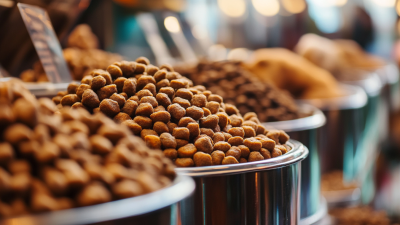
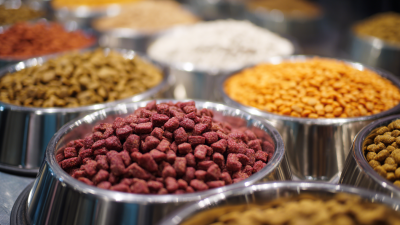
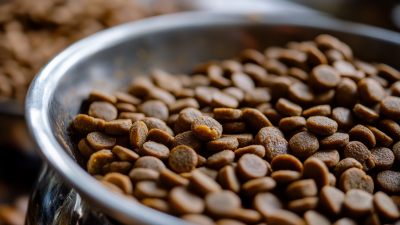
When it comes to feeding your dog, there are several types of food to consider: dry, wet, and raw. Each option has its unique benefits and drawbacks. Dry food is convenient and often less expensive. It can help with dental health too. However, some dogs may find it less appetizing.
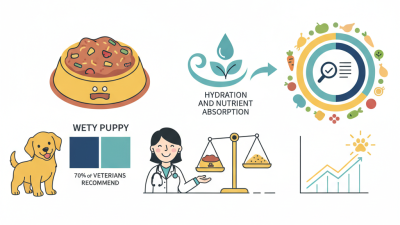
Wet food is rich in moisture and often more appealing for picky eaters. It provides hydration and can be a good choice for dogs with certain health issues. On the downside, it usually costs more and doesn’t last as long once opened.
Raw food diets have become popular. They may mimic a natural diet but come with safety risks, like bacterial contamination. Some pet owners feel this enhances their dog's health. Others find it hard to balance nutrients correctly.
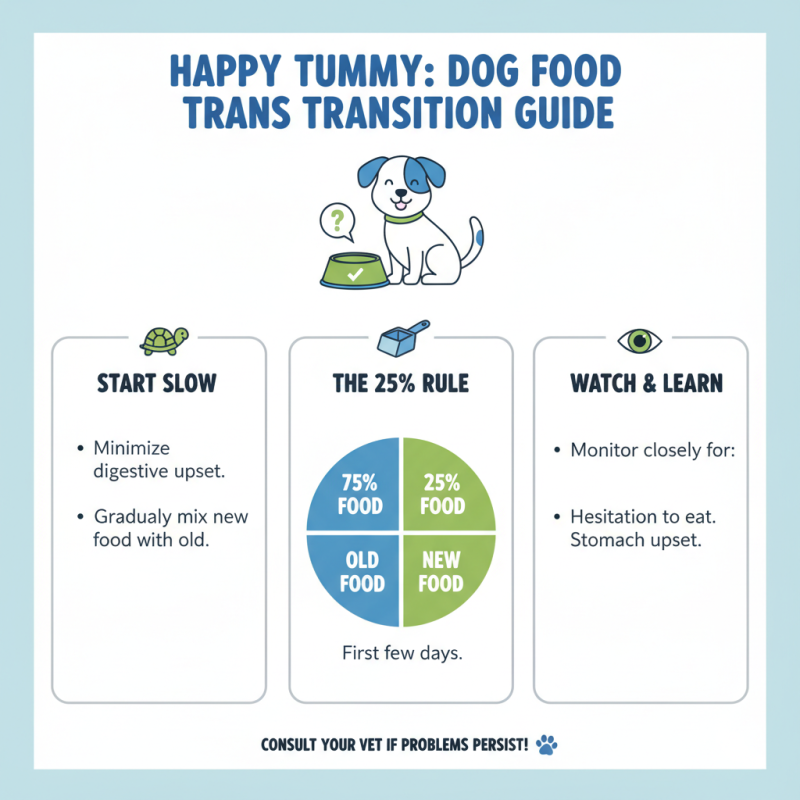
Tips: Always introduce new foods gradually. Pay attention to your dog's reactions and adjust accordingly. Regular vet check-ups can help you ensure your choice meets your pet's health needs. Balance is key, but who says it’s easy? It's okay to have doubts. Experiment with different types to see what works best.
How to Choose the Best Dog Food for Your Furry Friend?
| Type of Dog Food |
Description |
Advantages |
Disadvantages |
| Dry Food (Kibble) |
Preserved, affordable, and convenient; contains carbohydrates, fats, and proteins. |
Cost-effective, long shelf life, promotes dental health. |
Less moisture, may include fillers; some dogs may dislike the taste. |
| Wet Food (Canned) |
High moisture content, palatable, and often more appealing for picky eaters. |
Highly palatable, good hydration source, rich in proteins. |
More expensive, shorter shelf life once opened. |
| Raw Food |
Includes raw meat, bones, fruits, and vegetables; mimics natural diet. |
High in nutrients, promotes a shiny coat, and may improve digestion. |
Risk of pathogens, requires careful handling, can be time-consuming to prepare. |
Reading and Interpreting Dog Food Labels
Reading dog food labels can be overwhelming. The first step is to identify the main ingredients. A high-quality food should list a protein source, like chicken or beef, as the first ingredient. According to a 2021 study by the Association of American Feed Control Officials, 70% of dog owners don't know what ingredients to prioritize. This lack of knowledge can impact your pet's health.
Understanding nutritional information is also crucial. Look for the guaranteed analysis section, which provides percentages of protein, fat, and fiber. A balanced diet for adult dogs should contain at least 18% protein and 5% fat. However, many dog foods fail to meet these minimum standards. A survey revealed that 65% of pet owners misinterpret these figures, leading to poor dietary choices for their furry friends.
Don't overlook the presence of additives like preservatives and colors. While some are safe, others may not be beneficial for dogs. A study from Pet Food Industry highlighted that only 25% of dog owners know the difference between natural and artificial additives. It’s essential to consider the quality of the components in your dog’s food and how they align with your pet’s needs. Being informed can significantly improve your dog's overall well-being.
Considering Special Dietary Requirements
Choosing the right dog food can be daunting, especially when dietary needs come into play. Many dogs have unique requirements based on age, breed, and health. Some may need grain-free food, while others might require a low-fat diet. It's crucial to examine these needs deeply.
Is your dog prone to allergies? Look for hypoallergenic options.
Vitamins and minerals also matter. Dogs need specific nutrients at different life stages. Puppies require different components than senior dogs. It's easy to overlook these details. Just because a food seems premium doesn’t mean it’s right for your pet. Sometimes, you'll have to try different types.
Observe your dog's reaction to new food. Does their coat shine? Are they energetic? These signs indicate a good match. Watch out for digestive issues, though. A perfect diet for one dog can be harmful to another. Do your homework, and don’t hesitate to consult a vet. It’s your responsibility to ensure your furry friend is
healthy and happy.