How to Choose the Best Pet Food for Your Furry Friend?
Choosing the right pet food for your furry friend is not an easy task. With countless options on the market, it’s crucial to make informed decisions. Each pet has unique needs based on their breed, age, and health condition. What works for one may not suit another.
The ingredients in pet food matter greatly. High-quality proteins and healthy fats are essential. You should take time to read the labels carefully. Look for real meat as the first ingredient. Avoid products with artificial additives or fillers. Think about your pet's dietary restrictions, too. It can be overwhelming at times.
Consider your pet’s preferences and habits. Some pets can be picky eaters. Others may have sensitivities to certain grains or proteins. Asking your veterinarian for guidance is wise. They can help tailor your pet's diet to fit their specific needs. Making a thoughtful choice in pet food can lead to a happier and healthier life for your furry companion.
Understanding Your Pet's Nutritional Needs
Choosing the right pet food starts with understanding your pet's nutritional needs. Cats and dogs require a balanced diet. This includes proteins, fats, carbohydrates, vitamins, and minerals. According to the Association of American Feed Control Officials (AAFCO), pet food must meet specific nutrient profiles. It's essential to check these profiles against your pet's life stage—growth, maintenance, or senior.
Different pets have unique requirements. For example, a growing puppy needs more protein than an adult dog. The National Research Council suggests that puppies need around 22% protein and 8% fat in their diet. On the other hand, adult dogs generally require 18% protein and 5% fat. Moreover, cats are obligate carnivores. They need specific amino acids like taurine that aren't present in plant-based foods. Awkwardly, pet parents sometimes overlook these specifics, leading to dietary deficiencies.
Moreover, pets may react differently to certain ingredients. Some pets might be allergic to grains or specific proteins. A report from the Journal of Veterinary Internal Medicine indicates that food allergies appear in about 10% of dogs. Consequently, pet owners must observe their pets closely. Noticing subtle changes in behavior or health can illuminate possible food sensitivities. Adjustments in diet may be necessary to ensure their well-being.
How to Choose the Best Pet Food for Your Furry Friend? - Understanding Your Pet's Nutritional Needs
| Nutritional Component |
Importance |
Recommended Daily Amount |
| Protein |
Essential for muscle development and energy |
20-30% of total diet |
| Fat |
Provides energy and aids in nutrient absorption |
8-15% of total diet |
| Carbohydrates |
Source of energy; supports gut health |
30-50% of total diet |
| Vitamins |
Supports various bodily functions and immune system |
Depends on the type; consult guidelines |
| Minerals |
Critical for bone health and enzymatic reactions |
Depends on the type; consult guidelines |
| Water |
Essential for hydration and nutrient transport |
Always available |
Evaluating Ingredients in Pet Food Labels
When evaluating pet food labels, ingredient lists are crucial. They reveal the quality of the diet you provide. Understand that the first ingredient usually holds the most weight. This may indicate the main ingredient of the food. However, not all meat is created equal. Meat by-products can sometimes be included, which are lower in nutritional value.
In a study by the Association of American Feed Control Officials (AAFCO), about 70% of pet owners do not read ingredient labels. This lack of awareness can lead to poor nutritional choices. Moreover, ingredients like fillers or artificial additives often sneak into diets. These substances may cause allergies or digestive issues in pets.
Moreover, keep an eye out for specific nutritional requirements. For instance, dogs and cats have different needs. A food labeled as 'complete' is often not balanced. A recent report found that certain brands mislabel their protein sources. This can mislead pet owners regarding their pets’ true nutritional intake. The best approach is to ask questions and do thorough research. Your furry friend deserves a well-rounded diet, free from misleading pet food claims.
Comparing Different Types of Pet Food: Dry vs. Wet vs. Raw
When it comes to choosing pet food, the options can be overwhelming. Dry food is popular for its convenience. It’s easy to store and measure. Many pet owners appreciate the affordability too. However, dry food lacks moisture, which may not be ideal for every pet's diet.
Wet food presents a different set of advantages. It is more palatable for many pets. The added moisture can help keep them hydrated. But, it can be messier to serve and might not last long once opened. Storage can become a challenge. Some pets may even refuse to eat dry food after tasting wet food.
Raw food diets have gained attention recently. They may mimic what pets might eat in the wild. However, this type requires careful preparation and handling. There are risks of bacterial contamination. Not all pets respond well to raw diets. So, it’s crucial to monitor their health closely. Each type of food has its pros and cons. It’s about finding what works best for your furry friend and understanding their unique needs.
Considering Age, Breed, and Activity Level in Food Selection
Choosing the right pet food isn’t easy. It involves understanding your furry friend’s age, breed, and activity level.
Puppies and kittens need food that supports growth. They require higher protein levels and specific vitamins.
Adult pets need maintenance diets. They often require fewer calories to avoid obesity.
Old pets face different needs. Their digestion may weaken. Look for food that’s easy on their stomachs.
It can be tempting to feed them the same as before. But older pets often need less fat and more fiber.
Tip: Always check the ingredients. The first few should be quality protein sources.
Moreover, the activity level matters. Active pets may thrive on high-energy foods. But less active ones often need lighter options.
Monitor their weight closely. Is your dog gaining? Consider adjusting their diet.
Tip: Introduce changes gradually to avoid stomach upset.
Identifying Allergies and Dietary Restrictions in Pets
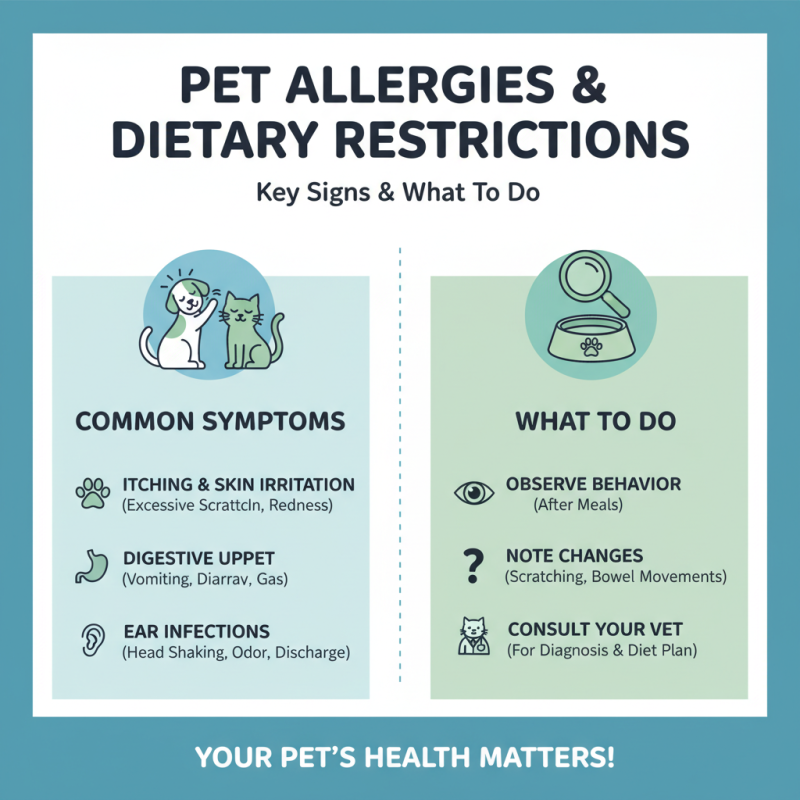
Pets, like humans, can have allergies and dietary restrictions. Identifying these issues is crucial for their health. Common symptoms include itching, digestive upset, or ear infections. Pay attention to your pet's behavior after eating. If they scratch excessively or have unusual bowel movements, it may be time to investigate further.
Start by consulting your veterinarian. They can recommend tests to identify specific allergens. Keep a food diary for your pet, noting any reactions after meals. This can help pinpoint triggers. Many pets are sensitive to common ingredients, such as grains or specific proteins. It takes time and patience to find the right diet. You might need to try different foods to see what suits your furry friend best.
Many pet owners overlook the importance of gradual changes in diet. A sudden switch can worsen allergies or upset stomachs. Incrementally introducing new food is often more effective. Monitor your pet's response closely. Adjustments may be necessary. Finding the best food is not always straightforward; it can be a reflection of both trial and error. Patience is key in ensuring your pet receives the proper nutrition.