How to Choose the Best Wet Canned Cat Food for Your Cat?
Choosing the right wet canned cat food is crucial for your feline friend’s health and happiness. Many options flood the market, making the decision challenging. It's important to remember that not all wet canned cat food is created equal. You want to select a product that reflects both quality and nutritional value.
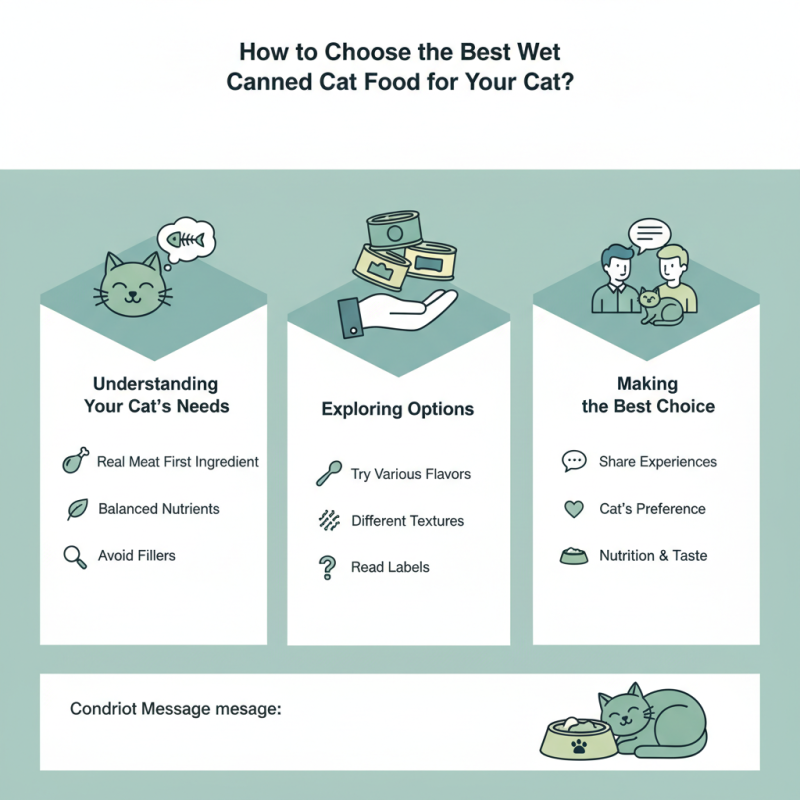
Understanding your cat's dietary needs is vital. Cats require specific nutrients that can often be found in high-quality wet canned food. Look for labels that highlight real meat as the primary ingredient. Some brands excel at providing balanced diets, while others may rely on fillers. Investigating these options helps ensure you are making an informed choice.
However, even with research, personal preferences play a role. Some cats may refuse certain flavors or textures, leading to wasted food. It's worth trying different kinds to see what your pet enjoys. Sharing experiences with fellow cat owners can also help you make better decisions. In the end, choosing wet canned cat food should focus on both nutrition and your cat’s individual tastes.
Understanding the Nutritional Needs of Your Cat
Understanding your cat's nutritional needs is essential when selecting wet canned cat food. Cats are obligate carnivores. This means they require a diet rich in animal proteins. The right balance of protein, fat, vitamins, and minerals plays a crucial role in their overall health. Protein is vital for muscle maintenance and energy. Without enough, a cat may become lethargic or lose weight.
Fat provides essential fatty acids. These are important for skin and coat health. Cats also need moisture in their diet. Wet food contains higher water content than dry kibble, which can benefit hydration, especially for cats that don’t drink enough water.
Consider the life stage of your cat. Kittens, adults, and seniors have different requirements. You might notice that not every brand suits your cat. Observing their reaction to certain foods helps guide your choices. A quick change can sometimes result in stomach upset. Keep track of what works and what doesn’t. This trial and error is part of understanding your cat’s preferences and nutritional needs.
Evaluating Ingredients in Wet Canned Cat Food
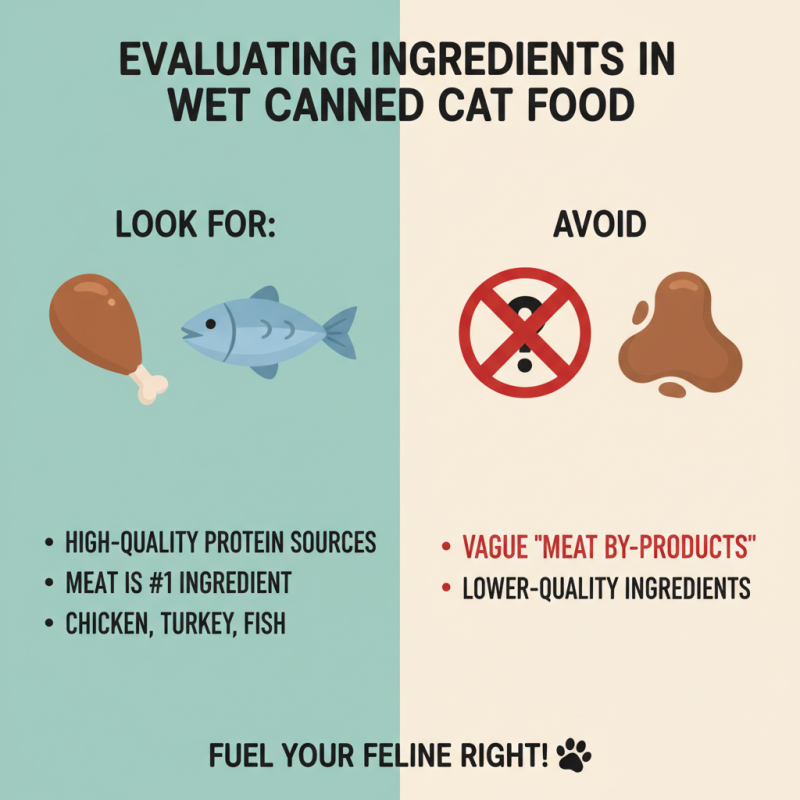
When selecting the best wet canned cat food, ingredient evaluation is crucial. Look for high-quality protein sources as the primary ingredient. Cats are obligate carnivores, so meat should be at the forefront of their diet. Common protein sources include chicken, turkey, and fish. Avoid foods with vague terms like "meat by-products". They can contain lower-quality ingredients.
Consider the presence of moisture content. Most wet foods have around 75% water, which helps keep your cat hydrated. It's essential for their overall health. Also, check for added vitamins and minerals. Ingredients like taurine, an essential amino acid, support heart and vision health. It’s vital for your cat's well-being.
Don’t overlook the added fillers. Some brands include grains or unnecessary additives. These can lead to allergies or digestive issues in some cats. Reading labels can be overwhelming, and finding the right balance often requires trial and error. Monitor your cat's health closely after switching foods. This process can be revealing, sometimes even frustrating.
Comparing Popular Brands and Varieties
When choosing wet canned cat food, it's essential to compare popular brands and varieties. Research shows that nearly 70% of cat owners prefer wet food for its moisture content. This can aid in hydration, especially for cats prone to urinary tract issues. Nutritional value varies greatly among brands, so it's crucial to read labels carefully.
Some studies highlight that high protein content is vital for feline health. A diet rich in animal-based proteins supports muscle maintenance and energy levels. Look for options with a minimum of 30% protein derived from real meat. Avoid those packed with fillers like corn and soy; they offer less nutritional benefit.
Texture matters too. Some cats may be picky about paté versus chunk-style food. This can affect their eating habits and overall health. Keep a keen eye on your cat’s preferences, as it might take a few trials to find the right fit. Observing your cat’s reaction can lead to better choices in the long run. Don't hesitate to switch if your cat shows disinterest. Education and patience are pivotal in this journey.
How to Choose the Best Wet Canned Cat Food for Your Cat? - Comparing Popular Brands and Varieties
| Nutritional Content |
Protein (% calories) |
Fat (% calories) |
Moisture (%) |
Fiber (%) |
Price per 100g |
| Chicken Recipe |
36 |
24 |
78 |
2 |
$1.50 |
| Tuna & Salmon |
32 |
20 |
75 |
1.2 |
$1.80 |
| Duck & Peas |
34 |
22 |
76 |
1.5 |
$2.00 |
| Lamb & Rice |
30 |
20 |
80 |
2.5 |
$1.70 |
| Turkey & Chicken |
33 |
18 |
77 |
1.8 |
$1.60 |
Considering Your Cat's Flavor Preferences and Texture
When it comes to selecting wet canned cat food, understanding your cat's flavor preferences is crucial. Cats, like humans, have individual tastes. Some may prefer fish, while others lean towards poultry. Observing their reactions to different flavors can guide your choices. It’s helpful to experiment with small portions of various flavors before committing to larger cans.
Texture also plays a significant role in your cat’s enjoyment of their food. While some cats favor pâté, others might prefer chunky options. Cats often exhibit stronger preferences for either smooth or textured food. Paying close attention to how your cat interacts with their meals can provide insight. If they leave certain textures untouched, this is a signal worth noting.
Choosing the right wet canned food for your cat involves trial and error. It’s not always straightforward. You might find that despite trying different flavors and textures, your cat might still resist. Don't be discouraged. Continue to adapt your choices based on what they seem to enjoy. This process highlights the individuality of each cat's culinary preferences, allowing you to cater to their unique tastes more effectively.
Assessing Price and Value for Your Budget
When selecting wet canned cat food, it's crucial to consider both price and value. A reasonable budget doesn’t mean sacrificing quality. High-quality ingredients should be a priority. Look for proteins, healthy fats, and minimal fillers. Often, a higher price tag correlates with better nutrition, but this isn't always the case. You might find a balanced option at a lower cost.
It’s wise to compare products thoroughly. Check the ingredient list and nutritional information. A can with real meat listed first is preferable. Beware of excessive additives that can detract from a cat’s health. In the pursuit of the best value, consider portion sizes as well. Smaller cans can be more expensive over time, leading to higher overall costs.
Don’t overlook your cat's preference. Sometimes, a more costly option may lead to better satisfaction and less food waste. Adjust your budget as you learn what your cat enjoys most. Being mindful of these aspects can lead to a well-fed cat without overspending. Remember that your cat's health is the most valuable aspect of your investment.