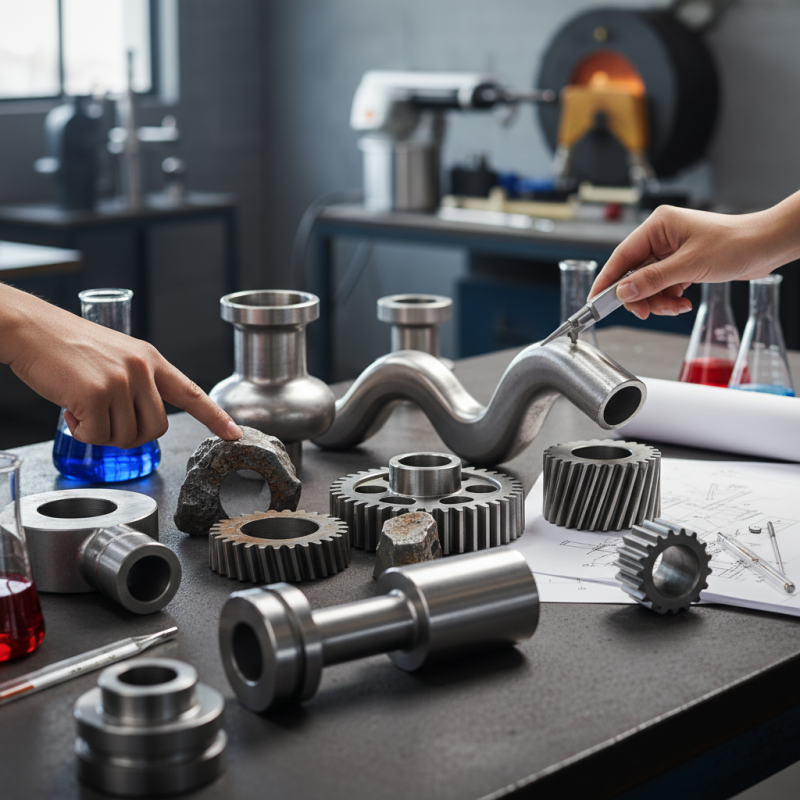
Cast Stainless Steel Tips for Choosing the Right Type?
Choosing the right type of cast stainless steel can be a complex decision. Various grades and types exist, each serving specific needs. Selecting the appropriate one involves understanding your project requirements.
cast stainless steel materials are known for their durability and corrosion resistance. This makes them ideal for a range of applications, from industrial machinery to artistic sculptures. However, not all cast stainless steel is created equal. Some grades may not withstand certain environments, leading to premature wear or failure.
Consider factors like temperature and exposure to chemicals when making a choice. Mistakes in selection can be costly. You don't want to compromise on quality. Reflect on your specific needs and consult experts when necessary. This approach can guide you to the best option for your project.
Understanding Cast Stainless Steel: Properties and Benefits
Cast stainless steel is a popular choice due to its unique properties. It is known for its exceptional strength and corrosion resistance. This makes it suitable for various applications, including architectural and industrial uses. The material can withstand harsh environments, making it ideal for outdoor installations.
When selecting cast stainless steel, consider its mechanical properties. Some versions offer better ductility, while others boast higher tensile strength. It can be challenging to choose the right type. Many overlook these essential details. Selecting a type that does not meet specific needs can lead to failure.
Another benefit of cast stainless steel is its versatility. It can be molded into complex shapes. This allows for innovative designs and functional solutions. However, the casting process can sometimes introduce imperfections. Careful inspection is crucial to ensure quality. Understanding these elements will help in making a more informed decision.
Types of Cast Stainless Steel: A Comparative Overview
When selecting cast stainless steel, understanding the types is essential. There are several grades available, each with its distinct properties. The most common grades are 304, 316, and 410. These grades differ in composition, corrosion resistance, and overall performance. For instance, 304 stainless steel is known for its excellent corrosion resistance but may not perform well in high-temperature environments.
In a recent industry report, over 40% of manufacturers opted for 316 stainless steel due to its superior marine grade properties. This alloy contains molybdenum, enhancing its resistance to pitting corrosion. However, it also comes at a higher cost. In contrast, 410 stainless steel is magnetic and less expensive. It's suitable for applications requiring good wear resistance, often used in cutlery.
Important factors must always be considered. The choice cannot rely solely on price or surface appearance. Performance in specific environments is crucial. Misjudging the requirements can lead to premature failure of parts. Always reflect on the long-term implications in your selection process.
Key Factors to Consider When Choosing Cast Stainless Steel
When choosing cast stainless steel, various factors must be considered. Material composition is essential. Stainless steel alloys differ in corrosion resistance, strength, and durability. According to industry reports, types 304 and 316 stainless steel are among the most popular options. Type 316 is known for superior corrosion resistance, making it ideal for marine or chemical applications.
Another key factor is the casting method. Different methods, like sand casting and investment casting, affect the final product's tolerances and surface finish. Investment casting typically yields better detail but can be more expensive. Consider the required precision and budget. Tighter tolerances may lead to increased costs but enhance functionality.
Tips: Pay attention to the environment. The intended use of the cast stainless steel part significantly influences the choice of alloy and casting method. Test samples to ensure they meet specific needs. Additionally, never overlook the supplier's reputation. Poor sourcing can lead to defects and failures that compromise your project. Always seek thorough product specifications and certifications before making a decision.
Key Factors to Consider When Choosing Cast Stainless Steel
Applications of Cast Stainless Steel in Various Industries
Cast stainless steel is utilized across various industries due to its unique properties and durability. In the automotive sector, cast stainless steel components are crucial. They resist corrosion and can withstand high temperatures. This material helps improve vehicle longevity and performance. However, finding the right mix of alloys can be complex; it requires careful consideration.
In the food industry, cast stainless steel is popular for equipment and machinery. Its non-reactive nature ensures food safety and maintains flavor integrity. Many manufacturers aspire to use this material, but some overlook the importance of proper maintenance. Regular cleaning and inspection are crucial to prevent contamination.
Another notable application is in the construction industry. Cast stainless steel offers aesthetic appeal while providing structural strength. Architects love its versatility for decorative elements. However, the challenge lies in cost management. Balancing quality with affordability can be tricky for project managers. A careful approach is needed to make informed decisions.
Maintenance and Care Tips for Cast Stainless Steel Products
Cast stainless steel products are known for their durability and resistance to corrosion. However, proper maintenance is crucial to maximize their lifespan and performance. Regular cleaning is essential. Use mild detergents and warm water to keep surfaces free from grime. Avoid abrasive materials that can scratch the finish. According to industry reports, improper care can reduce the effective life of these products by up to 30%.
Another critical aspect is the prevention of rust. While cast stainless steel is resistant, it’s not immune. Humid environments can still cause issues. Wiping surfaces dry after exposure to water helps. It’s also advisable to apply a specialized stainless steel cleaner periodically. These cleaners form a protective barrier that reduces oxidation.
Many users overlook the importance of monitoring surface conditions. Minor scratches or stains can evolve into bigger problems if not addressed promptly. Be proactive in inspecting items regularly. A study conducted by the Metal Fabrication Association found that proactive maintenance can extend the lifespan of stainless steel components by nearly 50%. Awareness and attention to detail can save time and money in the long run.