Best Tips for Choosing Wet Canned Cat Food for Your Pet?
When selecting the right Wet Canned Cat Food for your furry friend, expert opinions can be invaluable. Dr. Linda M. Tully, a renowned veterinary nutritionist, once stated, "The right wet food can drastically improve your cat's health and happiness." This highlights the importance of making informed choices.
Cats are obligate carnivores. Their diets should focus on high-quality protein sources. When browsing through different options, consider ingredients carefully. Look for real meat as the first ingredient. Avoid products with vague labels like "meat by-products." It’s crucial to check for other beneficial ingredients, such as added vitamins and minerals.
Some brands may include fillers or artificial additives. These can be harmful in the long run. Don’t get swayed by flashy packaging. Instead, study the nutritional values. Not all Wet Canned Cat Food is created equal; some may not meet your cat's needs. Reflect on your choices. Your pet’s health depends on them.
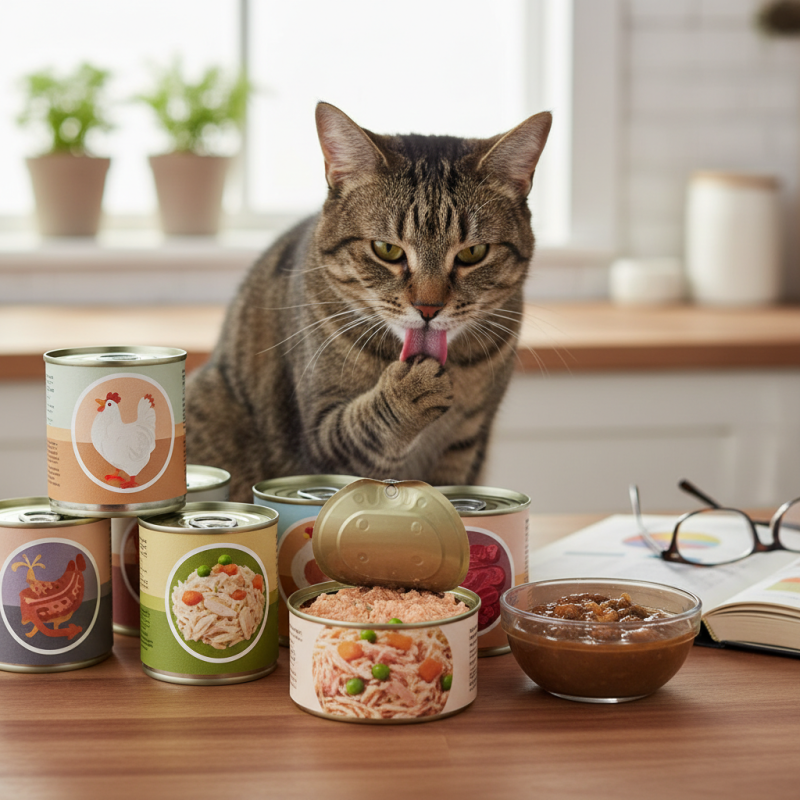
Understanding Your Cat's Nutritional Needs
When selecting wet canned cat food, understanding your cat's nutritional needs is paramount. Cats are obligate carnivores. They require a diet high in protein and certain nutrients. According to the Association of American Feed Control Officials (AAFCO), a cat's food should contain at least 26% protein. This protein is essential for maintaining muscle mass and supporting vital bodily functions.
Look for foods that are rich in animal-based proteins. Ingredients like chicken or fish should be among the first listed. Cats also need certain fats for energy and healthy skin. Omega-3 and Omega-6 fatty acids are crucial. A balance of these fats supports coat health and overall well-being. Pay attention to carbohydrate content, too. Cats do not need much, and high carb levels can lead to weight gain.
Tips for choosing the right canned food:
- Always check the guaranteed analysis on the label.
- Look for foods enriched with vitamins and minerals.
- Research the necessary moisture content. A minimum of 75% moisture is ideal for hydration.
Given the variance in quality, don't hesitate to try different options. Observe how your cat reacts. Their coat, energy level, and appetite can be telling. Don't ignore this feedback. Adjusting the diet may require patience and multiple trials.
Evaluating Ingredients in Wet Canned Cat Food
Choosing the right wet canned cat food requires careful analysis of its ingredients. It's essential to look for high-quality protein sources. A significant percentage of a cat's diet should come from meat. Studies suggest that cats thrive on diets with 30% to 40% protein content. However, not all protein is equal. It's vital to identify the primary protein source in the ingredient list. Look for specific meats rather than generic terms like "meat by-products."
In addition, moisture content is crucial. Cats naturally have a low thirst drive. Wet food can help maintain hydration, with many brands containing up to 78% moisture. When reading labels, consider fat content as well. Fats are essential for energy and provide the necessary fatty acids. The average recommended fat content should be around 15% to 20%. However, some foods may be too high in fat, potentially leading to obesity.
Watch out for fillers and artificial additives. Ingredients like corn and wheat offer little nutritional value. A study revealed that around 60% of pet owners overlook fillers in their cat food. Always opt for foods with natural preservatives. This is a sign of higher quality. Ingredients should be recognizable. Relying solely on marketing may lead to choices that aren't optimal for your cat's health. Reflecting on these details can ensure that you provide the best nutrition for your furry friend.
Best Tips for Choosing Wet Canned Cat Food for Your Pet
| Nutritional Component |
Description |
Recommended Minimum |
| Protein |
Essential for muscle development and overall health. |
30% |
| Fat |
Provides energy and supports healthy skin and coat. |
15% |
| Moisture |
Helps keep cats hydrated. |
75% MAX |
| Fiber |
Aids in digestion and maintains gut health. |
3% |
| Taurine |
Essential amino acid for heart and eye health. |
0.1% |
Examining Different Brands and Their Reputation
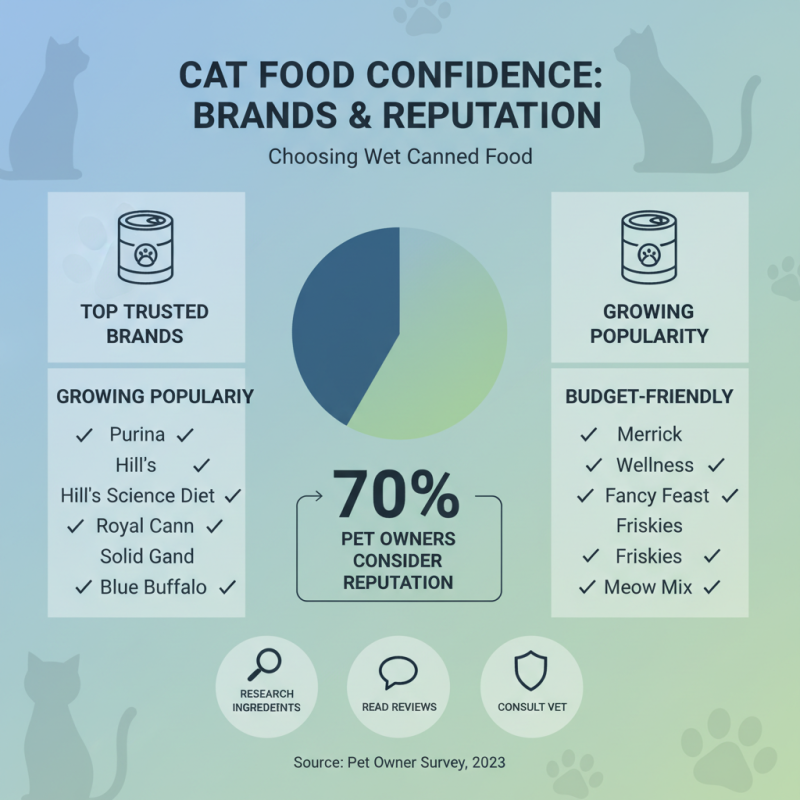
Choosing the right wet canned cat food can be daunting. There are numerous brands available, each with varying reputations. Research indicates that nearly 70% of pet owners consider brand reputation when selecting food. This highlights the importance of understanding which brands are trusted and why.
Many cat food brands claim to prioritize quality and nutrition. However, not all live up to their promises. Some brands have faced recalls due to contamination. According to reports, nearly 60% of pet food recalls involve wet food. This points to potential risks in choosing popular but questionable brands. It’s essential to look for transparency in ingredients and sourcing.
Additionally, customer reviews play a crucial role. Nearly 80% of pet owners check reviews before making a purchase. Brands with high ratings typically have a history of consistent quality. However, remember that experiences can vary. One cat may thrive on a specific brand, while another may not. Reflecting on these differences is vital when making decisions for your pet’s diet.
Considering Packaging and Portion Sizes for Freshness
When choosing wet canned cat food, packaging and portion sizes play a critical role. Many cat owners overlook the importance of freshness. Research shows that over 50% of pet owners prefer single-serve packaging for its convenience. This option helps maintain the food's quality and minimizes waste. Cats can be picky, so serving fresh food may encourage better eating habits.
Consider the nutrition claims on the packaging. Look for labels that clearly state the ingredients and nutritional value. According to industry reports, 67% of pet owners are willing to pay more for high-quality ingredients. This reflects a growing understanding of cat nutrition. Yet, not all certifications are equal. Some labels can mislead customers.
Always check the portion size. An ideal wet food serving should be between 3 to 5 ounces per meal. This aligns with the average dietary requirement for most cats. Keeping food fresh also means choosing cans that maintain a good seal. Remember, cats can be finicky. If they refuse to eat stale food, it reflects their natural instincts. Freshness is important. Keep that in mind when buying.
Checking for Special Dietary Requirements or Health Issues
Choosing wet canned cat food requires attention to specific dietary needs. Cats have unique nutritional requirements. They often need more protein and moisture in their diet. A report from the Association of American Feed Control Officials indicates that minimum protein levels should be around 26% for adult cats. High-quality protein sources are essential for maintaining muscle health.
If your cat has any health issues, consulting with a veterinarian is crucial. Many cats are sensitive to grains or artificial additives. Some may require a grain-free diet or low-carb options. In fact, about 15% of cats can develop food allergies, leading to skin irritations or digestive problems. Checking ingredients for potential allergens can help in making a better choice.
Consider the textural preferences of your cat as well. Some felines prefer smooth pate, while others enjoy chunkier varieties. Many pet owners ignore these subtleties, ultimately resulting in wasted food. A simple observation can reveal what your cat enjoys most. Ensure the food also meets AAFCO standards for balanced nutrition. This can give you peace of mind regarding its quality.
Best Tips for Choosing Wet Canned Cat Food for Your Pet