What is a Water Pump Casing and How Does It Work?
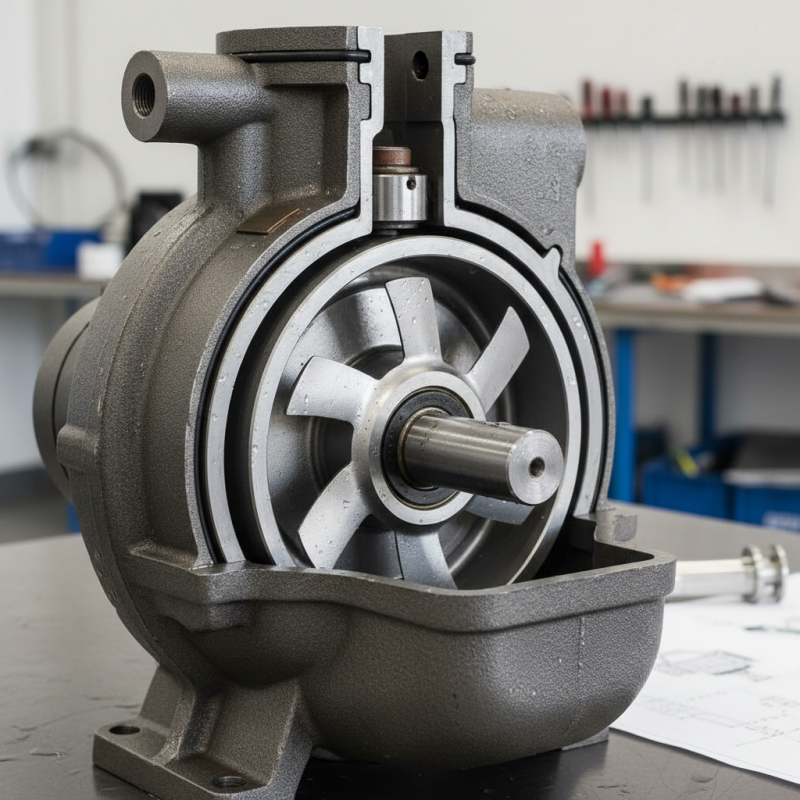
The water pump casing plays a critical role in the function of a water pump. It is the outer shell that houses various internal components. This casing protects the pump from external elements and helps maintain efficiency.
Understanding how the water pump casing works reveals much about its design. It often needs to withstand high pressure and constant motion. The materials used for making the casing must be sturdy and resistant to corrosion. However, sometimes these materials may not perform to expectations.
Many people overlook this component until it fails. When a water pump casing breaks, the entire system can be compromised. It's essential to recognize the importance of proper maintenance to avoid such issues. A thoughtful approach can help prevent potential problems and ensure longevity.
What is a Water Pump Casing?
A water pump casing is an essential component in pumping systems. It houses the pump's internal parts and directs fluid flow. Made from materials like cast iron or stainless steel, the casing ensures durability and resistance to corrosion. According to industry reports, about 60% of pump failures are linked to casing issues. Proper design and maintenance are crucial for optimal performance.
The casing also affects efficiency. A well-designed water pump casing minimizes turbulence and maximizes flow. This can lead to energy savings of up to 20%. However, improper installation can lead to misalignment and increased wear. Some casings may develop cracks or leaks over time. These flaws can go unnoticed until significant damage occurs.
Moreover, the choice of material plays a vital role. For instance, using stainless steel in corrosive environments can extend the lifespan. Yet, cost considerations often lead to cheaper alternatives that may not perform as well. Regular inspection is essential, yet often overlooked by many operators. Understanding the critical role of a water pump casing can drive better operational decisions.
Components of a Water Pump Casing
A water pump casing is integral to the functionality of a water pump. It provides the structure needed to contain and control the flow of water. Each component plays a vital role in ensuring efficiency. The casing typically consists of materials like cast iron or stainless steel, which withstand varying pressure levels.
The impeller is another crucial component. It is responsible for converting mechanical energy into kinetic energy. Studies indicate that impeller design impacts pump efficiency significantly. A well-designed impeller can lead to up to 20% energy savings. This is not just a number; the energy savings equate to a tangible reduction in operating costs for large facilities.
Seal systems within the pump casing also warrant attention. They prevent leaks and maintain pressure. According to industry reports, inadequate sealing can lead to performance drops of up to 15%. Regular inspections often reveal wear, making it essential to monitor seal integrity. Ignoring this can result in expensive repairs down the line. Every component, from the casing to the impeller, needs reflection to optimize performance and longevity.
Water Pump Casing Components Distribution
How Water Pump Casings Operate
Water pump casings play a crucial role in the efficiency of pump operations. They house the essential components and channel the flow of water. These casings are typically made of durable materials to withstand pressure and corrosion. As water enters the casing, it moves toward the impeller, which generates the necessary pressure to propel the water out. The design of the casing influences the flow rate and overall performance of the pump.
During operation, different factors can affect the efficiency of water pump casings. Blockages can lead to inefficiencies, reducing performance. Additionally, improper alignment of the casing with other pump parts may create leaks or vibrations. These issues need addressing for optimal functionality. Regular inspections can reveal potential problems and allow for timely repairs.
Understanding how these casings operate can lead to better maintenance practices. Users might overlook simple signs of wear. Ignoring these could lead to more significant issues down the line. Proper knowledge about the water pump casing helps in recognizing its importance in the system, encouraging proactive measures.
Common Materials Used in Water Pump Casings
Water pump casings are essential components in various applications, from agriculture to municipal water supply systems. The materials used for these casings significantly impact their durability and efficiency. Common materials include cast iron, stainless steel, and thermoplastics. Each material has its unique advantages and disadvantages.
Cast iron is popular due to its strength and corrosion resistance. However, it can be heavy and prone to rust if not maintained properly. On the other hand, stainless steel offers excellent resistance to corrosion and wear. It is lighter but can be more expensive. Thermoplastics provide a lighter option with good chemical resistance. Yet, they may lack the structural integrity needed for high-pressure applications.
Choosing the right material involves assessing both cost and functionality. It’s essential to consider the specific environment where the pump operates. Each material has its trade-offs that can significantly affect the pump's lifespan and performance. Additionally, improper maintenance or installation can lead to premature failure. Regular checks and updates are vital to ensure optimal operation.
Maintenance and Troubleshooting of Water Pump Casings
Water pump casings play a crucial role in ensuring efficient water flow. Regular maintenance is vital to prevent issues. According to industry reports, approximately 30% of pump failures are due to neglected casing conditions. Checking for cracks and corrosion should be routine. Ignoring these signs can lead to significant operational losses.
Troubleshooting begins with inspection. Look for leaks around the casing. A small leak can escalate into a major problem. Regularly clean the casing to avoid sediment buildup. This can hinder the pump's performance considerably. Data suggest that a clean casing can improve efficiency by up to 15%.
Many users overlook the importance of monitoring vibrations. Unusual vibrations often indicate a malfunction. Addressing these early helps prevent catastrophic failures. Understanding these aspects can save money and time in the long run. Maintenance may seem tedious but is essential for reliable operation. Prioritize it for better performance.