What is Wet Puppy Food and Why Should You Use It?
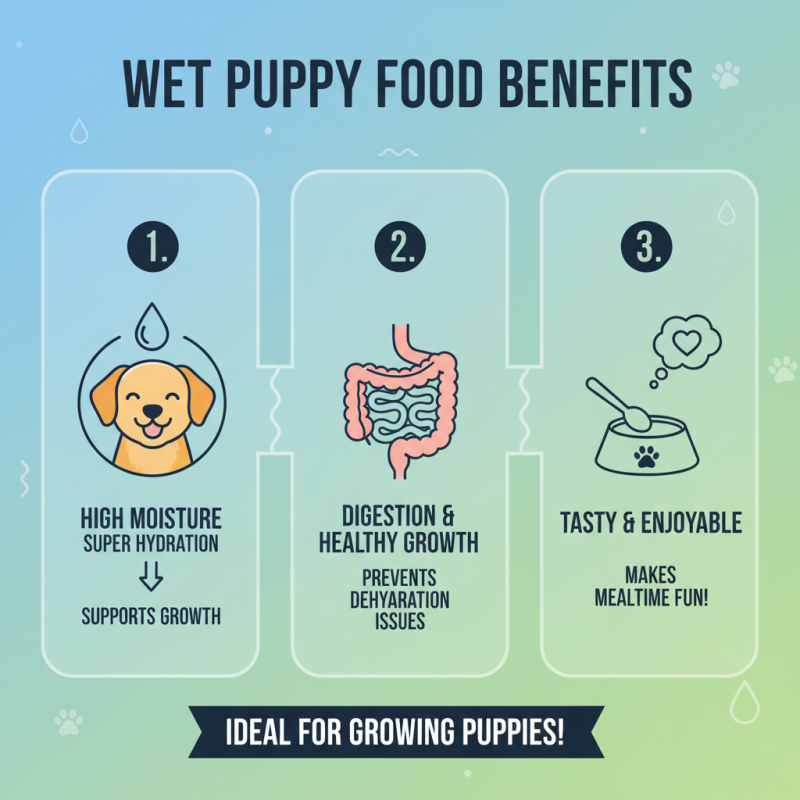
Wet Puppy Food is a popular choice among dog owners. It offers essential nutrients for growing puppies. Many pet owners prefer it for its moisture content. This helps keep their puppies hydrated. Puppies often face challenges in adjusting to solid foods. Wet puppy food provides an easy transition.
Rich in flavor, wet puppy food can be enticing for picky eaters. Its texture is appealing and can encourage dogs to eat. However, not all wet foods are created equal. Some contain unhealthy additives and fillers. Owners must read labels carefully. Finding high-quality options is crucial for puppy health. Sometimes, the packaging may look impressive but lacks real nutrition.
The benefits of wet puppy food extend beyond mere taste. It can support dental health due to the soft texture. However, reliance on wet food alone can lead to an unbalanced diet. Variety in a puppy's meals is important. While wet food is a great option, owners should consider mixing it with dry kibble. This approach combines benefits and avoids potential pitfalls. Ultimately, you want the best for your puppy's growth and health.

Understanding Wet Puppy Food: A Comprehensive Overview
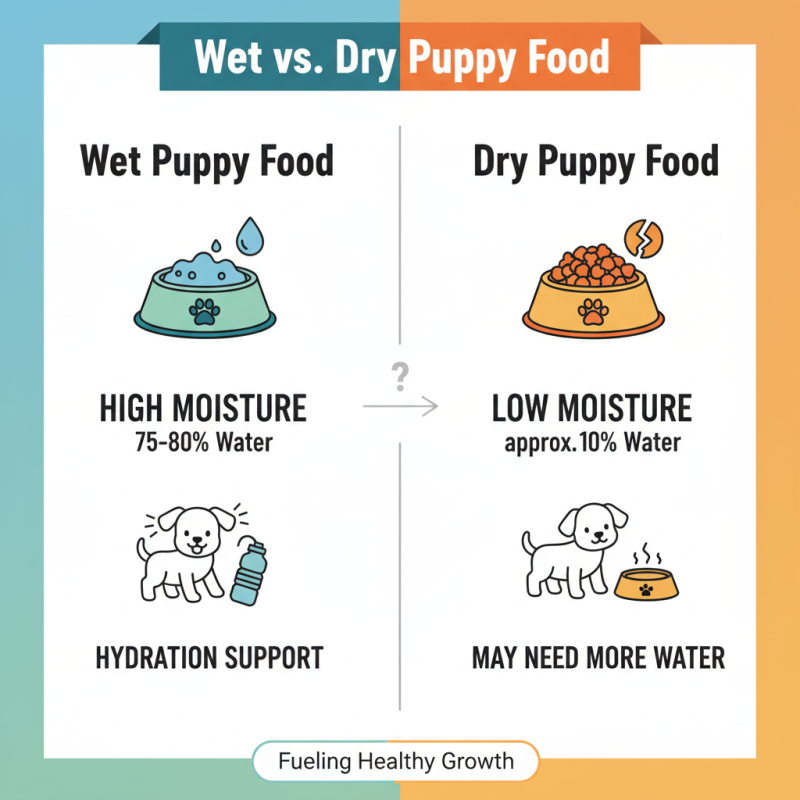
Wet puppy food is gaining popularity among pet owners. It offers a higher moisture content, which is beneficial for hydration. Puppies need to stay hydrated, especially during their growth phases. According to industry reports, wet food can contain up to 78% moisture. This is significant compared to dry kibble, which typically has about 10% moisture. The texture of wet food can also help stimulate a puppy's appetite, which is crucial for proper development.
Nutritionally, wet puppy food can be rich in proteins and fats. Many recipes include meat as the first ingredient. This aligns with the natural dietary needs of puppies, who thrive on high-quality protein. However, not all wet food is created equal. Some products may contain fillers or low-quality ingredients. Pet owners should carefully read labels and consider nutritional standards. It's essential to ensure that the food meets AAFCO guidelines for growth.
While wet food has many benefits, it can also present challenges. The higher cost compared to dry food is one factor to consider. Moreover, wet food typically comes in cans or pouches, which require refrigeration once opened. This can lead to waste if not managed properly. Some pet owners may find it difficult to balance wet and dry food in their puppies' diets. Overall, understanding these aspects is vital for making informed choices about puppy nutrition.
What is Wet Puppy Food and Why Should You Use It?
| Nutritional Component |
Description |
Benefits of Wet Puppy Food |
| Protein |
Essential for growth and muscle development. |
Supports healthy development and provides energy. |
| Moisture Content |
Higher moisture content than dry food. |
Helps maintain hydration, especially in puppies. |
| Fat |
Source of energy and necessary fatty acids. |
Promotes healthy skin and a shiny coat. |
| Vitamins and Minerals |
Essential for overall health. |
Supports immune system and bone development. |
| Palatability |
More appealing to puppies compared to dry food. |
Encourages eating and helps with picky eaters. |
Key Ingredients in Wet Puppy Food and Their Benefits
Wet puppy food is a popular choice among pet owners. It offers several key ingredients that provide essential nutrients for young dogs. One of the primary components is high-quality protein. This helps in muscle development. According to a 2020 report, puppies require twice the protein levels compared to adult dogs.
Another important ingredient is moisture. Wet puppy food contains around 70% moisture. This is beneficial, especially for puppies. Hydration is crucial for their growth and overall health. A study found that dehydrated puppies could suffer from digestive issues and lower energy levels.
Furthermore, wet food often includes easily digestible grains and vegetables. Ingredients like brown rice and carrots provide fiber and vitamins. They support good digestion and a healthy immune system. However, not all wet foods are created equal. Some may contain fillers that do not offer nutritional value. Pet owners should always check ingredient labels. While wet puppy food can be advantageous, it’s essential to choose wisely for your furry friend’s well-being.
Benefits of Key Ingredients in Wet Puppy Food
Nutritional Advantages of Wet Puppy Food for Growing Dogs
Wet puppy food is an excellent choice for growing dogs. It offers a high moisture content, which helps keep puppies hydrated. Hydration is vital during their early growth stages. Dehydration can affect their health, causing issues with digestion and growth. Wet food can act as a tasty treat, making mealtime enjoyable for puppies.
Nutritionally, wet puppy food is packed with proteins and essential vitamins. These nutrients support muscle development and energy levels. Fatty acids in wet food can promote healthy skin and a shiny coat. Puppies often struggle with kibble alone. They may find it difficult to chew or lack interest in dry food. Wet food can provide a more palatable option.
However, it’s crucial to balance wet food with other nutrition. Some puppies might get overly reliant on the mushy texture. This could affect their chewing habits later. Transitioning to dry food may become a challenge. Monitoring your puppy’s reaction to wet food is essential. Every puppy is unique, and dietary needs may vary.
Comparing Wet Puppy Food to Other Types of Dog Food
When comparing wet puppy food to dry options, one must consider several factors. Wet food typically contains higher moisture content, around 75-80%. This helps keep puppies hydrated, which is crucial during their growth stages. Puppies are playful and active, requiring proper hydration. Dry food, on the other hand, tends to have about 10% moisture, which might not be adequate for some pups.
Nutrition also varies between the two types. Wet food often has more protein and fat, providing essential building blocks for muscle development. A report from the Association of American Feed Control Officials (AAFCO) indicates that a balanced puppy diet should contain at least 22% protein. Comparatively, dry food sometimes fails to meet this bar, with protein levels averaging around 18%. This disparity can impact a puppy's overall growth and energy levels.
Perhaps the biggest challenge with wet puppy food lies in its cost and shelf life. Wet food can be more expensive and must be consumed quickly after opening. Leftovers spoil easily if not stored properly. While the benefits are clear, pet owners should weigh these factors against their own circumstances. Balancing cost with nutritional quality is not an easy task.
Tips for Choosing the Right Wet Puppy Food for Your Pet
When choosing wet puppy food, consider the ingredients first. Look for high-quality protein sources like meat or fish. This ensures your puppy gets the essential nutrients for growth. Avoid foods with fillers, artificial colors, or preservatives. Reading labels carefully can make a significant difference in your puppy's diet.
Texture matters too. Wet food can be more palatable for puppies. It is also easier for them to chew. Some puppies may struggle with dry kibble. Therefore, opt for a smooth or chunky texture based on their preference. Observe their reaction during mealtime. If they seem disinterested, it’s time to rethink your choice.
Finally, don’t forget about variety. Puppies can be picky eaters. Rotating different flavors can keep mealtime exciting. It also ensures they receive a wide range of nutrients. However, changing food too quickly can cause digestive upset. Make adjustments gradually and monitor your puppy’s health closely. Balancing their diet is key for a happy, healthy puppy.