What is the Best Cat Food for Your Feline Friend?
Choosing the right cat food is crucial for your feline friend’s health. According to the Association of American Feed Control Officials (AAFCO), a balanced diet is essential for cats. Nutritional deficiencies can lead to serious health issues. The cat food market is vast, with options varying in quality and ingredients. Research from Euromonitor International indicates that premium and natural cat food segments are rapidly growing.
Veterinarians recommend looking at the ingredients list. High-quality proteins should be the foremost component. Grain-free options are becoming more popular, as some cats have sensitivities to grains. Furthermore, a report from the American Animal Hospital Association emphasizes that many cat owners are unaware of their pets’ nutritional needs.
Despite the plethora of options, not all cat foods are created equal. Some brands may claim to provide excellent nutrition but lack scientific backing. It is crucial to remain informed and skeptical. What works for one cat may not work for another, highlighting the need for personalized nutrition plans. As pet parents, being proactive in understanding cat food choices can significantly impact your pet’s well-being.

Understanding Your Cat's Nutritional Needs
Understanding your cat's nutritional needs is essential for their health and happiness. Cats are obligate carnivores. This means they require a diet rich in animal-based proteins. According to the World Small Animal Veterinary Association, a cat’s diet should be about 40-50% protein. This protein supports their energy levels and overall well-being.
Fat is another crucial nutrient. It provides energy and aids in the absorption of vitamins. Aim for a fat content of 20-30%. Inadequate fat could lead to dry skin or dull coat. Many owners overlook the importance of hydration too. Cats have a low thirst drive and often don't drink enough water. Incorporating wet food into their diet can help maintain hydration levels.
Tips: Look for foods with high protein content from real meat sources. Be cautious of fillers like corn and soy. Monitor your cat’s weight regularly. Obesity is a common issue. According to the Association for Pet Obesity Prevention, approximately 60% of cats are overweight or obese. Adjust their diet and portions accordingly. Remember, every cat is unique. What works for one may not suit another. Keep learning about feline nutrition for the best results.
What is the Best Cat Food for Your Feline Friend? - Understanding Your Cat's Nutritional Needs
| Food Type |
Key Ingredients |
Protein Content (%) |
Fat Content (%) |
Fiber Content (%) |
Vitamins & Minerals |
Recommended Age Group |
| Dry Food |
Chicken, Rice, Peas |
30 |
10 |
3 |
Omega-3, Vitamin E |
Adult |
| Wet Food |
Salmon, Tuna, Carrots |
28 |
12 |
2 |
Taurine, B Vitamins |
Kitten |
| Grain-Free |
Duck, Sweet Potatoes, Lentils |
35 |
15 |
4 |
Zinc, Iron |
Adult |
| Raw Diet |
Raw Chicken, Organ Meats |
40 |
20 |
1 |
Probiotics, Enzymes |
All Ages |
| Prescription Diet |
Chicken, Prebiotics |
22 |
8 |
5 |
Vitamins A, D |
Senior |
Types of Cat Food: Dry, Wet, and Raw Options
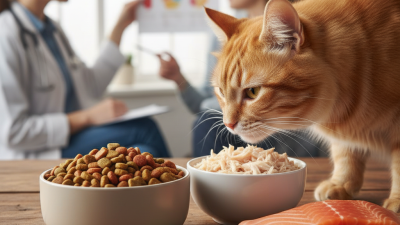
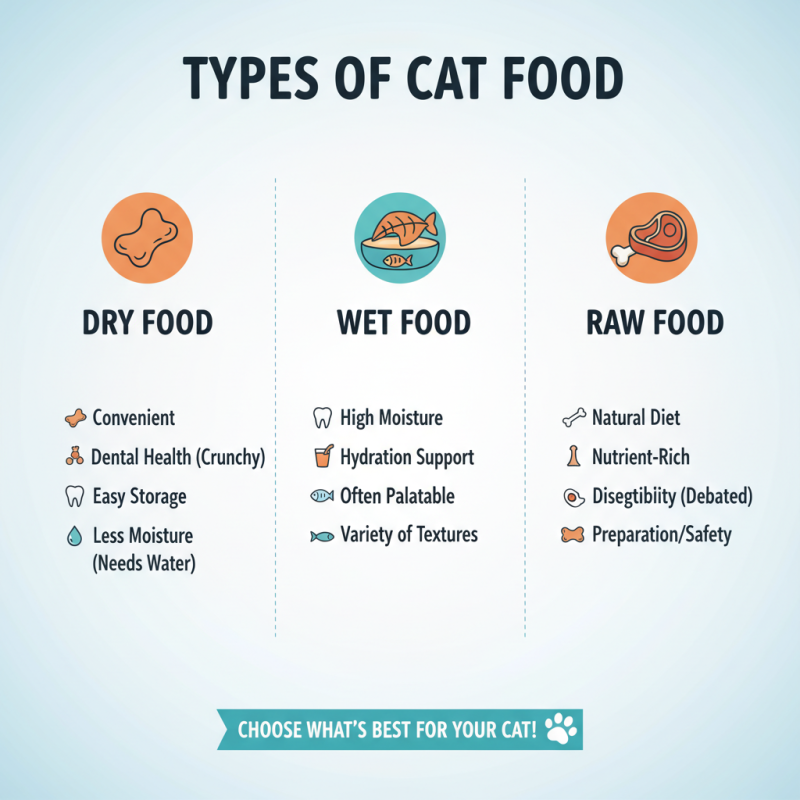
When choosing cat food, understanding the different types is crucial. Dry food, wet food, and raw options each have unique benefits. Dry food is convenient and helps maintain dental health. Cats often enjoy the crunchy texture. It can be stored easily, but it might not provide enough moisture. Make sure to offer fresh water daily for hydration.
Wet food is great for hydration. It contains more moisture, which is beneficial, especially for older cats. Many cats find wet food more palatable. However, it has a shorter shelf life once opened. You should check for any signs of spoilage before feeding. Maintaining a balanced diet is key.
Raw food options are becoming more popular among cat owners. They mimic a natural diet, rich in protein. However, this type requires careful handling to prevent bacteria. Not all cats will adjust to raw diets easily. Always consult with a vet before making changes.
Tips: Introduce new food gradually. Monitor your cat’s reaction. Make adjustments if needed. Keeping a varied diet can provide essential nutrients.
Key Ingredients to Look for in Quality Cat Food
When selecting cat food, focus on key ingredients that contribute to your cat's health. Look for high-quality protein as the primary ingredient. Meat, fish, or poultry should be the first items on the list. Cats are obligate carnivores, and their bodies thrive on animal proteins. This promotes muscle growth and strong overall health.
Another vital component is taurine, an essential amino acid for felines. It supports heart health and vision. Without enough taurine, cats can suffer from serious health issues. Whole grains or vegetables can provide energy but should not dominate the ingredient list. They serve as fillers, often lacking vital nutrients.
Tips: Always read the label carefully. Not all cat food is created equal. A product may boast various claims, yet it's crucial to understand the ingredient list. Pay attention to the sources of proteins. Opt for foods that specify the type and quality of meat used. Freshness matters too; expired products can harm your cat's health. It's worth it to do some research before making a choice. Your feline friend deserves the best nutrition possible.
Key Nutrients in Quality Cat Food
This bar chart presents the recommended percentage of key nutrients in quality cat food. Ensuring that your feline friend gets the right balance of protein, fats, carbohydrates, vitamins, and minerals is crucial for their health and well-being.
Common Dietary Needs for Cats of Different Ages
Cats have distinct nutritional needs at various life stages. Kittens require high protein for growth. Their diet should support energy and muscle development. Ingredients like high-quality meat and fats are crucial. Kittens also need extra vitamins and minerals for their immune systems. Transitioning to solid food should be gradual, ensuring they adapt well.
Adult cats benefit from a balanced diet. They need a mix of protein, fats, and carbohydrates. The right balance helps maintain their weight and energy levels. At this stage, some cats might struggle with weight gain. Owners should monitor portions and adjust their feeding routine accordingly. Fresh water must always be available.
Senior cats face different challenges. Their metabolism slows down, and they might have dental issues. Soft food can be easier to chew. Additionally, a diet rich in antioxidants can support their aging bodies. It's vital to consult a vet for tailored dietary advice. Cats often hide health issues, making regular check-ups essential.
Evaluating and Choosing the Right Cat Food Brand
Choosing the right cat food brand for your feline is crucial. The nutritional needs of cats vary based on age, health, and lifestyle. Look for products with high-quality protein sources. Cats are obligate carnivores; they thrive on meat. Ingredients should be specific and identifiable. Avoid vague terms like "meat by-products."
Refer to reputable sources like veterinarians or pet nutritionists. They can provide insights tailored to your cat's unique needs. Keep an eye on the ingredients list; it should prioritize real proteins and healthy carbohydrates. Don’t ignore your cat’s preferences, too. Some may prefer wet food, while others might favor dry.
As you explore options, consider your cat’s digestion. Some felines may struggle with certain grains or fillers. Be mindful; allergies can develop. Monitor your cat's health and behavior after switching foods. This reflection helps ensure that your choice is the best. The journey to find optimal nutrition can be challenging.